DAR Museum Period Rooms
Explore the American Home! Each of these 31 period rooms looks like you’re stepping into a room from the past. You can peek into an 1810s bedroom, 1820s dining room, 1860s parlor, and many more. Compare how homes have changed over the years; which features do we still use today, and which have fallen by the wayside?


1840s Parlor in Alabama
New Technology
The family in this room is showing off their enthusiasm for modern technology.
1850s Parlor in California
Multicultural
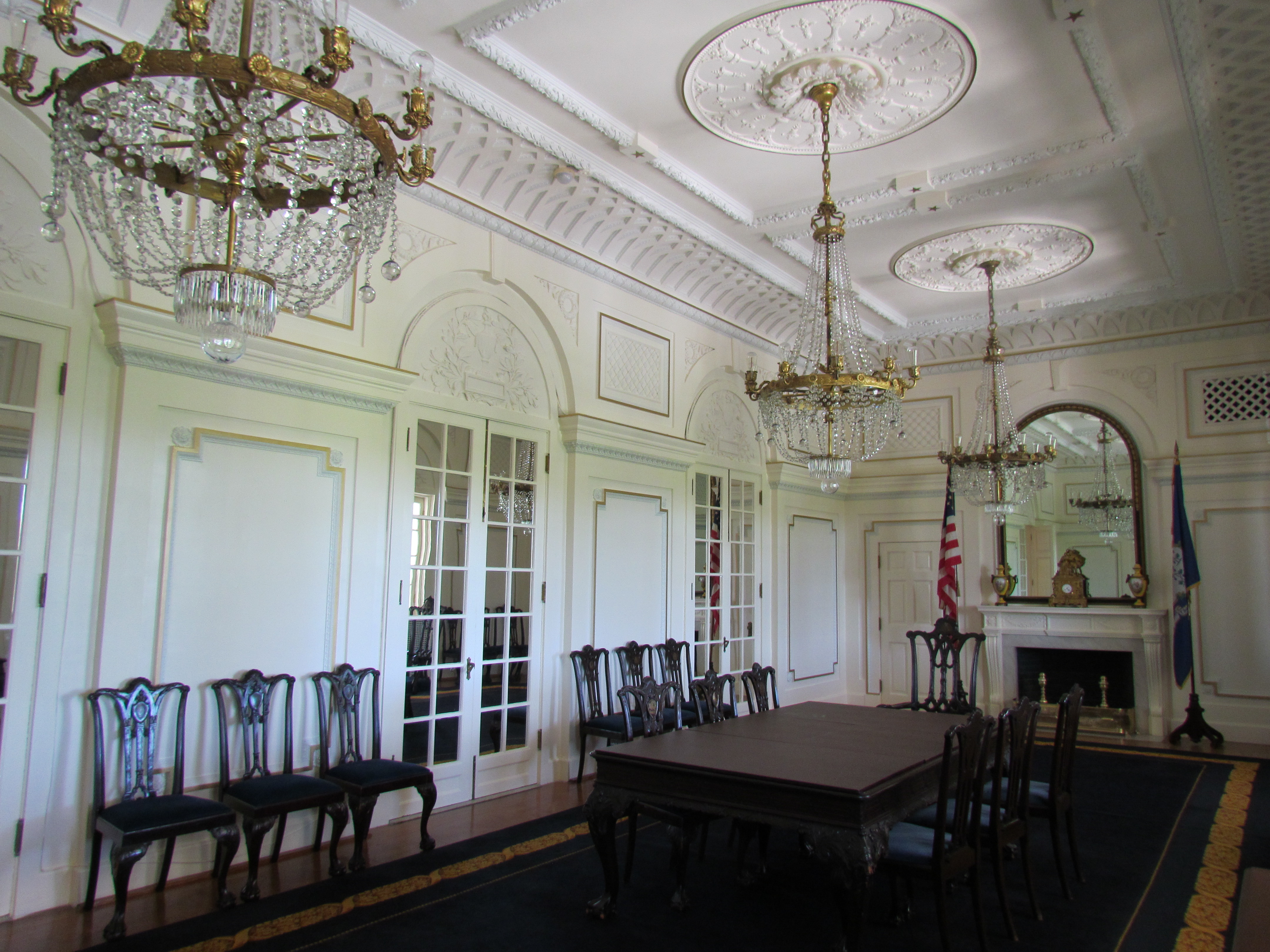
The Connecticut Board Room
The Connecticut Board Room was set aside to serve as a conference room for the NSDAR Board of Management. It is designed in a classical revival or Beaux-Arts style, inspired by Greek and Roman architecture. The furniture is in the very ornate rococo revival style and includes a replica of the famous “Rising Sun” chair from Independence Hall used by George Washington as he presided at the Constitutional Convention. The use of electricity to light the chandeliers was the latest technology during the early 20th century when this room was built. The exclusive use of electricity to light Memorial Continental Hall in 1910 signaled a turning away from gas lighting popular during the previous century. Each chandelier features a gilt or golden brass frame hung with polished glass spheres and jewels.
1810s Parlor in the District of Columbia
An Island of Good Taste
1780s Study in Delaware
A Quiet Place
1770s Tavern in Georgia
Women In Business
American independence owes a lot to taverns like Lucy’s!
1840s Bedroom in Illinois
A Lively Room
1930s Parlor in Indiana
The Birth of Collecting
Collecting American antiques was still a new idea in the 1900s.
1790s Parlor in the United States
The Seasons are in Charge
In our modern climate controlled houses we barely notice the change of seasons.
1830s Parlor in the United States
The New Classical Look
What makes fashion change? In the early 1700s, it was a discovery halfway around the world: the cities of Pompeii and Herculaneum. Excavating these cities showed the way ancient Romans decorated their houses, which was different from the large, well-known temples. This caused architects and designers to revise their thinking about neoclassical (new classical) styling, drawing from the ancient Romans and Greeks in a new way. Instead of heavy and monumental, neoclassical design is more delicate and dainty. By the early 1800s, home furnishings such as these reflected this new style.
The Louisiana Gallery
The Louisiana room, also called the Louisiana Gallery, is arranged as an exhibition displaying art and objects that reflect the rich cultural history of the state. The Gallery provides glimpses into domestic life interpreted through the lives of Louisiana women who served as wives, mothers, cooks, household managers, and educational and religious instructors. It focuses on domestic life and household furnishings, female education, and courageous women who shaped the history of the state. The Louisiana Gallery is the only room to display artifacts relating to the lives of Native-American culture. Almost all the gallery objects are either native to Louisiana or relate to its history.
1820s Parlor in Maine
Wealth from the Sea
1830s Parlor in Maryland
Honored Guests
1775 Bedroom and Parlor in Massachusetts
A Famous Ride
Tensions run high on the eve of the American Revolution. Neighbor turns against neighbor over the subject of liberty from England.
1920s Library in Michigan
Home Office
1860s Parlor in Missouri
Support The Troops
Outside is war; inside is unity.
1800s and Early 1900s Display of Children's Toys
1930s "Colonial" Pine Woodwork
Pretend Colonial
1910s Relic Room
Sunken Ship
1820s Parlor in the United States
Let The Games Begin
1820s Dining Room in the United States
Fine Dining
1920s Parlor in Ohio
Two Celebrations
1700s, 1800s & 1900s Display of Kitchen Tools
Colonial? Look again!
What happens when you take something old and arrange it in a new way?
You are looking at an idealized version of a colonial kitchen created in the 1800s and 1900s. People imagined what the colonial period was like and exhibited kitchens like this at local fairs and fundraisers. Clues include the unpainted wood paneling and the large number of cooking tools surrounding the hearth, which you would not see in a colonial era house. The objects in this room are real, but the way they are displayed is an invention from a later time.
The Pennsylvania Foyer
Called the “Pennsylvania Foyer,” this grand space was the original entrance to NSDAR headquarters. The walls reflect the classical style of the building and are made of Vermont marble. The floor has a bronze medallion of the Pennsylvania state seal. The ornamental ceiling is made of plaster with sweeping swags, floral bouquets and acanthus leaves. The busts, set in the circular niches represent American revolutionary heroes. The Pennsylvania Alcove, just off the Foyer, contains a sampling of decorative arts made in Pennsylvania from the late 1700s and early 1800s.
1800s Display of Musical Instruments
Play A Tune
1810s Bedroom in South Carolina
Keeping Clean
Display of White House Chairs
America's First House
1860s Bedroom in Texas
New Settlers
Wilkommen! Meet the Mewes family.
1840s Parlor in Vermont
Quilting Party
1810s Dining Room in Virginia
A Summer Meal
Don’t be late for dinner!
1820s Parlor in the United States
Home Schooling
1690s Hall in New England
Work Is Never Done
Welcome to the home office of the 1690s!
Explore this Exhibit
Explore More Online Exhibitions
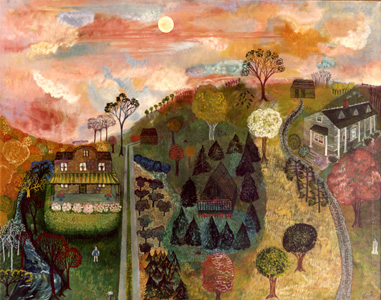
By, For, and Of the People: Folk Art and Americana in...
Selections from this DAR Museum gallery exhibition show the charming and beautiful work of...
The Storytellers
By the late 19th century, collectors recognized the charm of American schoolgirl samplers...
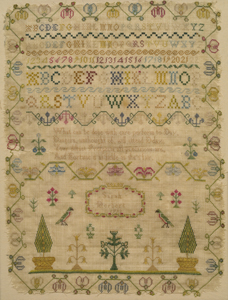
Coming to America
From the earliest days of colonization in North America, sewing traditions arrived with...
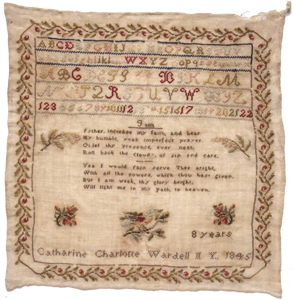
In Search of Answers: A New York Survey
A survey of 22 New York samplers in the DAR Museum collection was undertaken in 2003-2004...
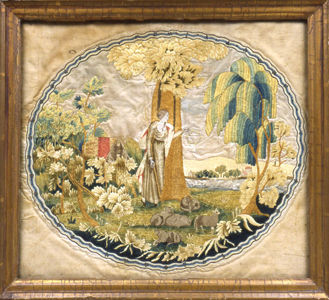
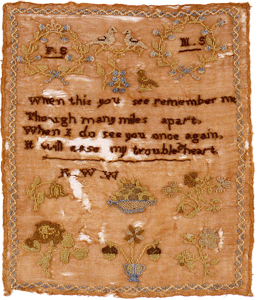
Telling Their Story: Going Away
To European visitors, nineteenth-century Americans appeared constantly on the move. They...
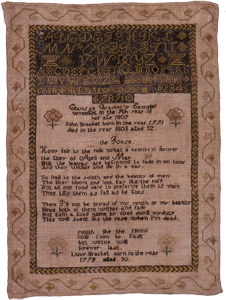
Words from the Past
Sampler verses have long fascinated those who study the needlework canvas. Here are a few...
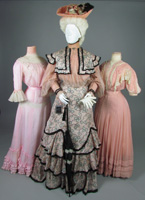

Creating the Ideal Home, 1800-1939: Comfort and...
October 2, 2013 - August 30, 2014 It's human nature to like shortcuts; people are always...

Retro Rooms
The DAR Museum’s period rooms have evolved much over the past century. Many of the period...
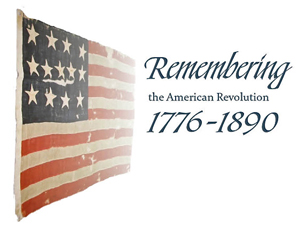
Remembering the American Revolution: 1776-1890
How do you create a collective memory? The new nations’ first three generations of...

DAR Museum Period Rooms
Explore the American Home! Each of these 31 period rooms looks like you’re stepping into a...
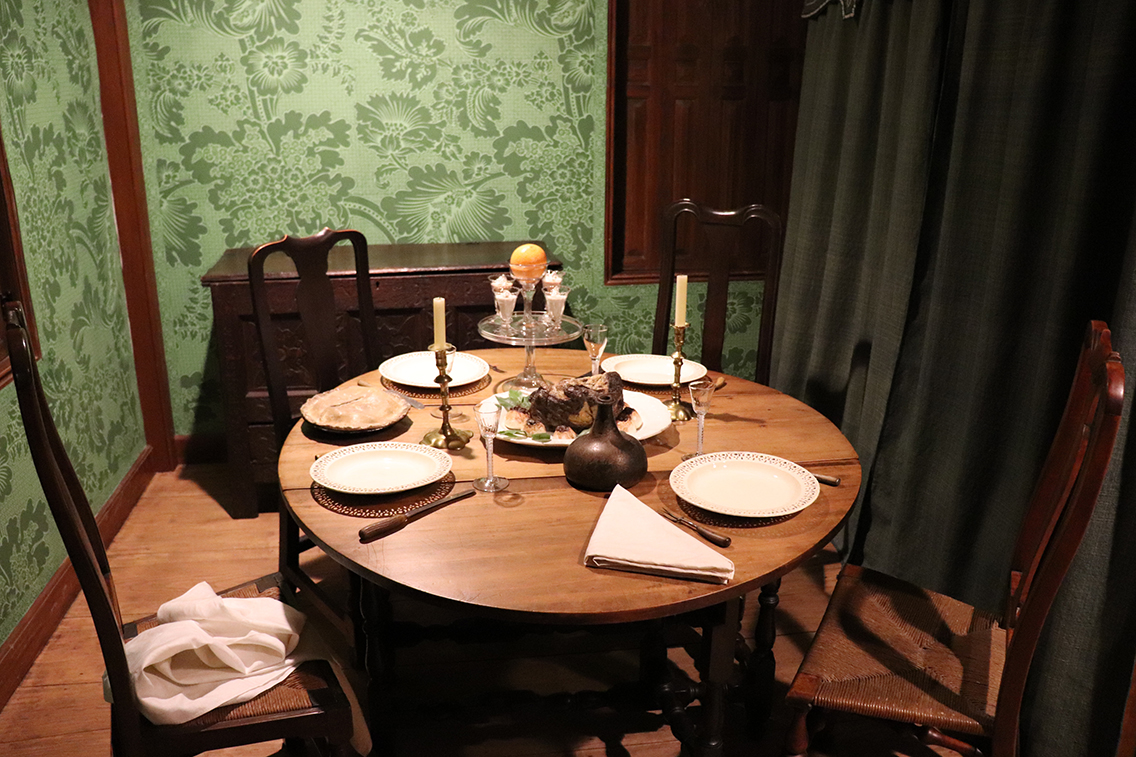
Songs of Christmas Past
You’ll be humming your favorite Christmas songs as you view a selection of the period...
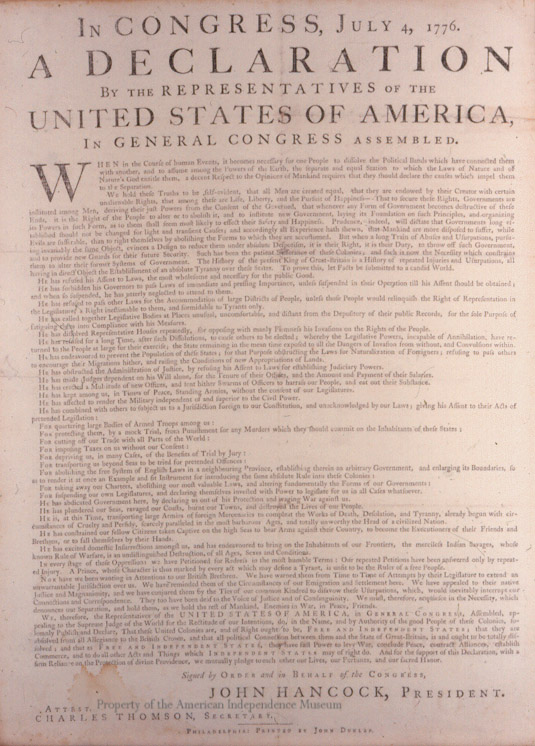
Rare Historic Documents on Loan at the DAR Museum
This summer from May 26 – July 9, a Dunlap Broadside, as well as the two draft copies of...