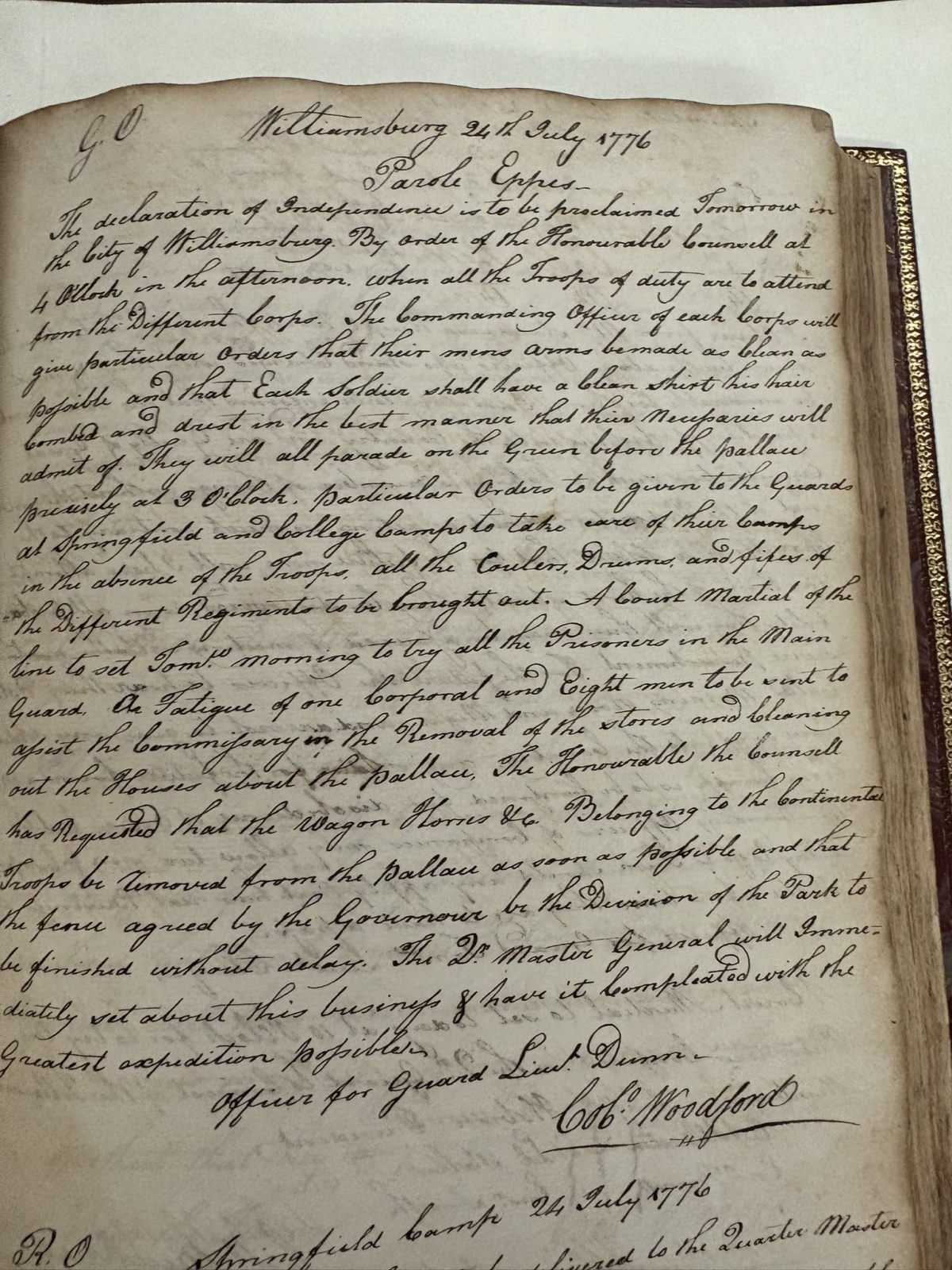
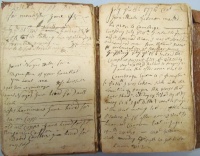
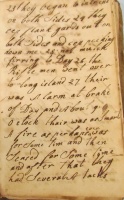
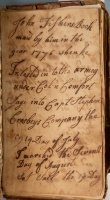
The 6th Virginia Regiment’s “Order of the Day Book” was kept between 1776 and 1778. It lists the daily activities of the regiment. The entry for July 24, 1776, states The declaration of Independence is to be proclaimed tomorrow in the City of Williamsburg . . . when all the Troops of duty are to attend from Different Corps.
Revolution in Their Words
DAR Museum Exhibition
Brings America’s Founding Voices into Focus
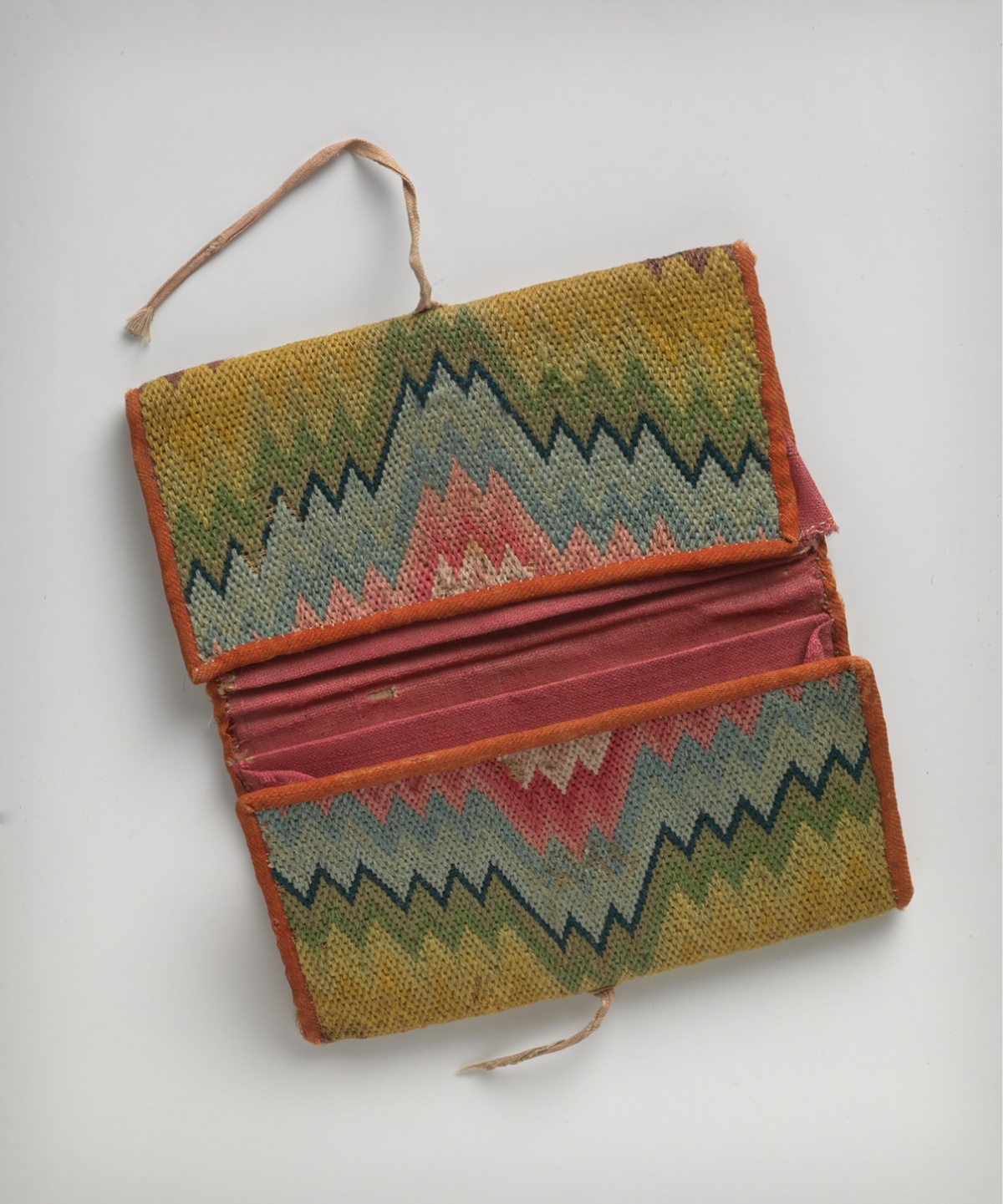
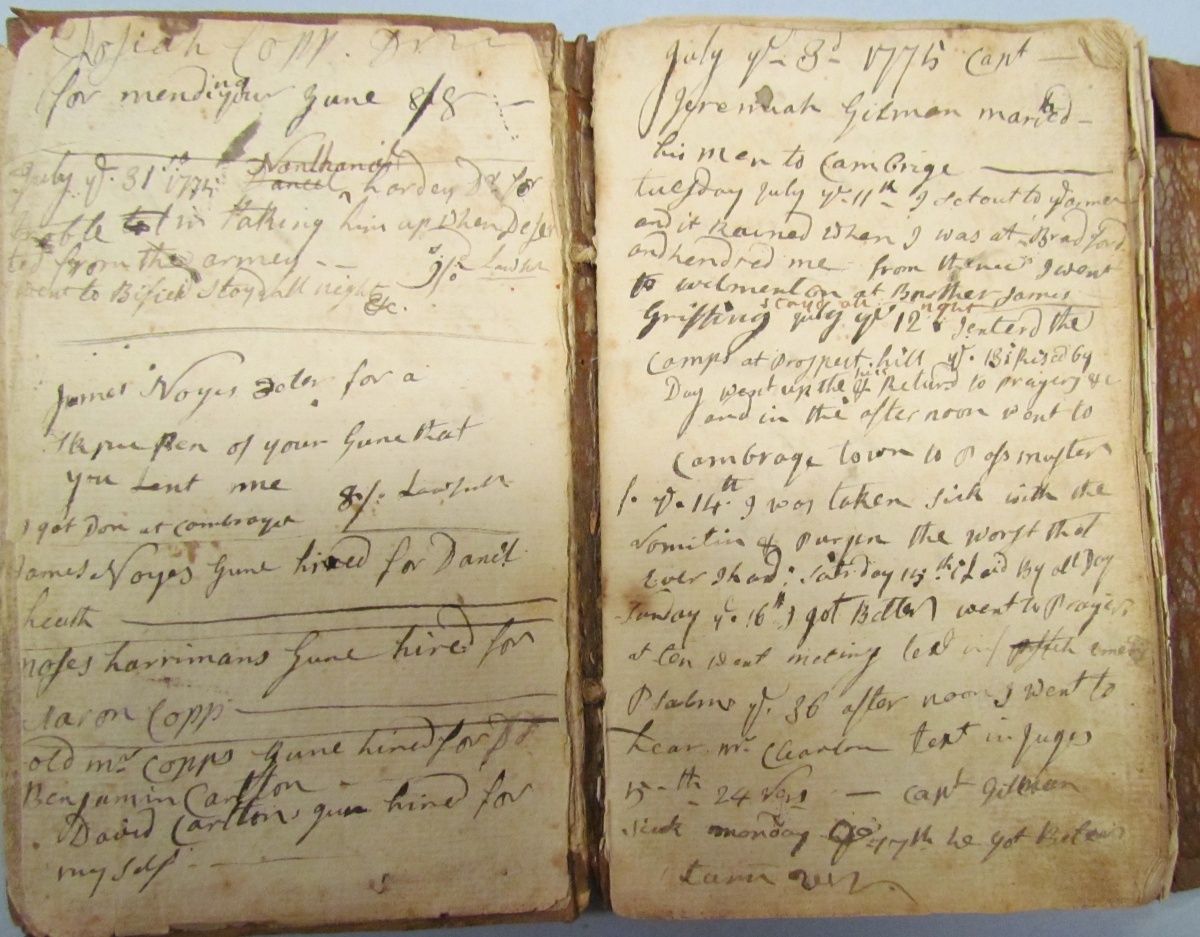
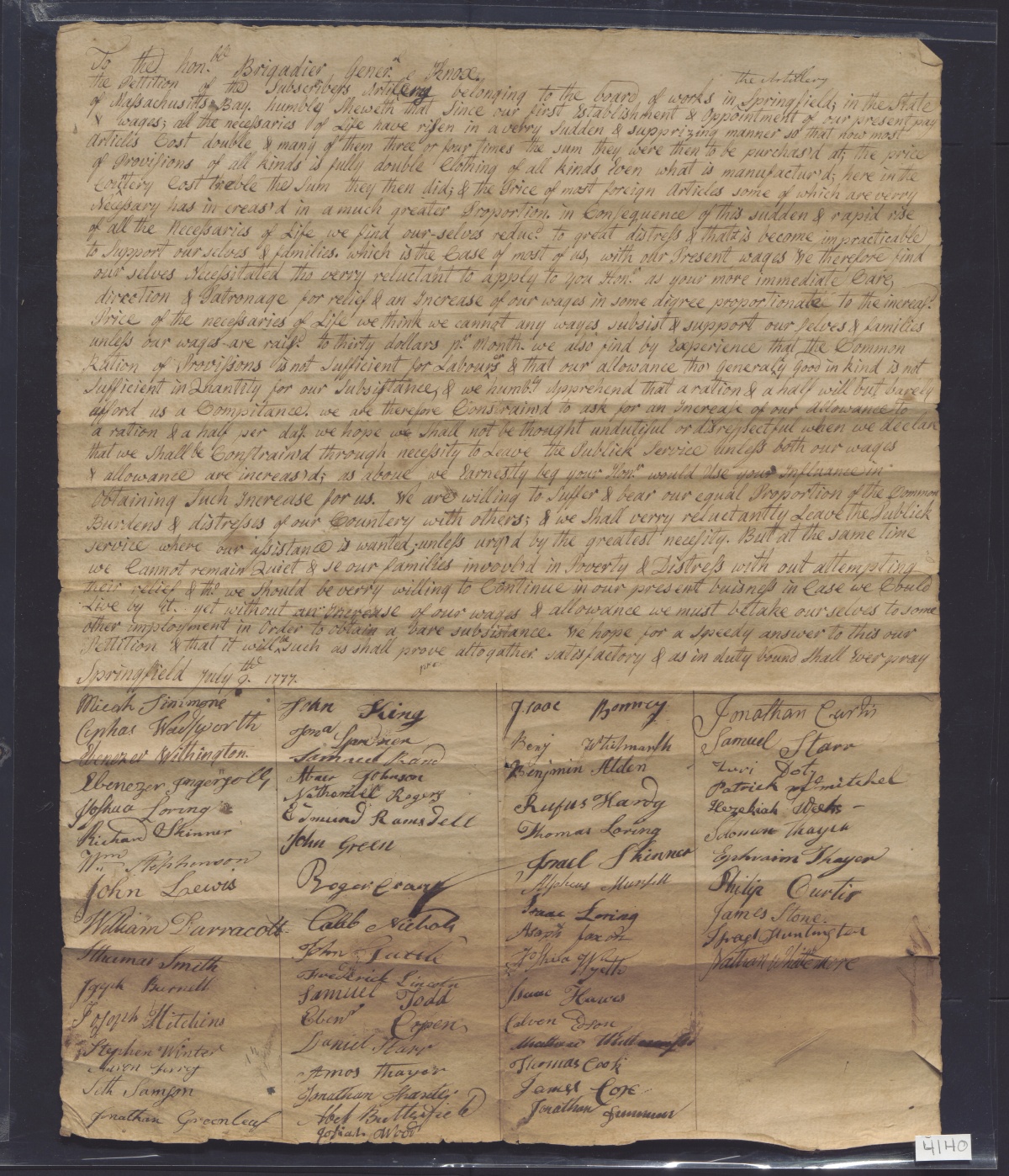
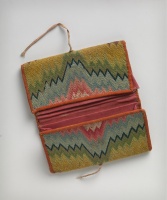
The DAR Museum’s newest exhibition, Revolution in Their Words, marks the 250th anniversary of the birth of the United States by examining the nation’s founding through the firsthand accounts of those who lived it. Drawing on the NSDAR’s extensive collection of artifacts and manuscripts, as well as loans from other museums, the exhibition presents a wide range of perspectives from the decades before, during, and after the War for Independence.
Power
of Words
At the time, the American colonies had the world’s highest literacy rate. It was close to 90% in New England. Nearly 150 newspapers were in circulation, sharing news from around the globe. Pamphlets and broadsides disseminated ideas and information throughout the colonies. Revolution in Their Words centers firsthand accounts of this tumultuous time, commemorating the 250th anniversary of American independence through the stories of the people who lived it.
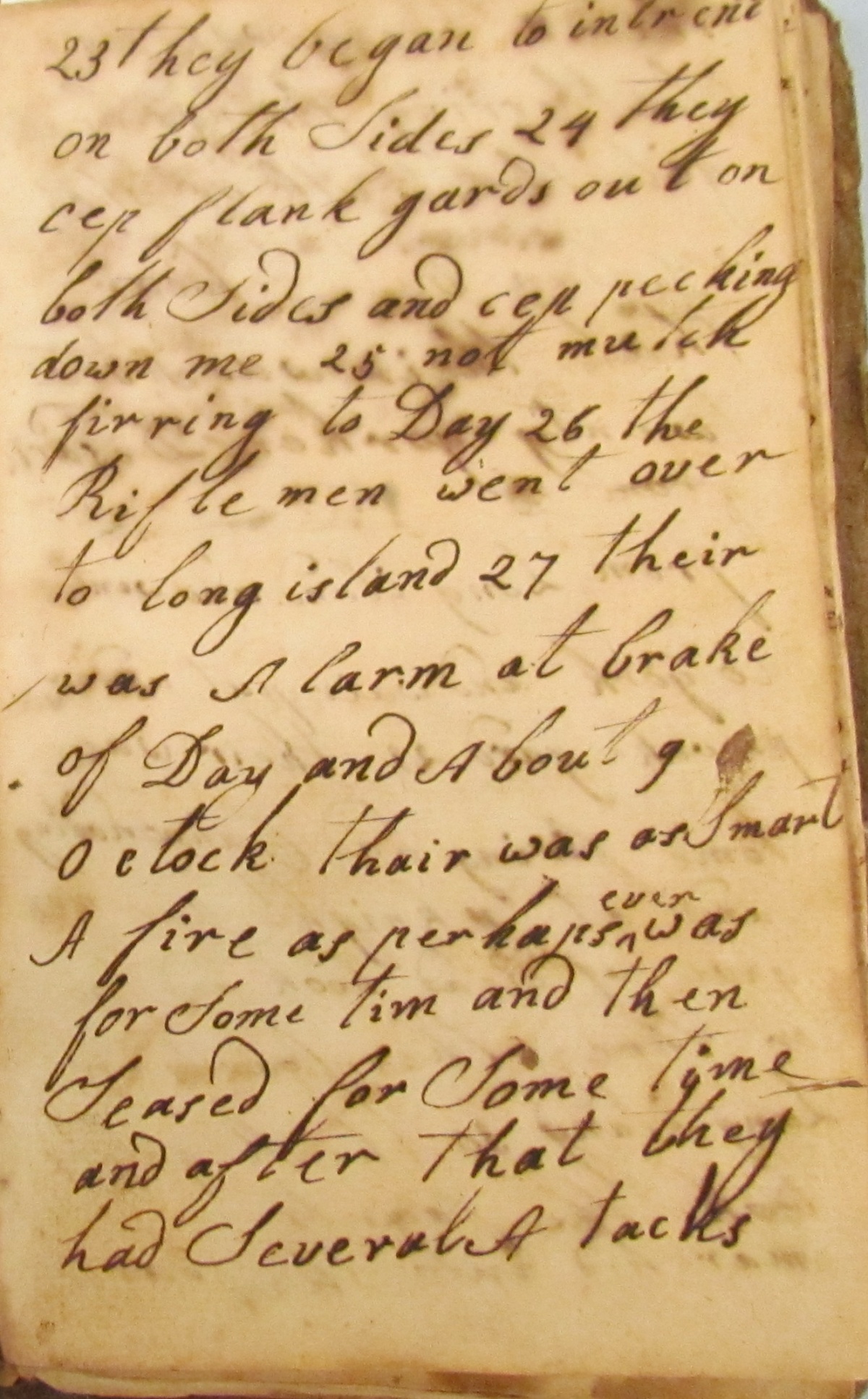
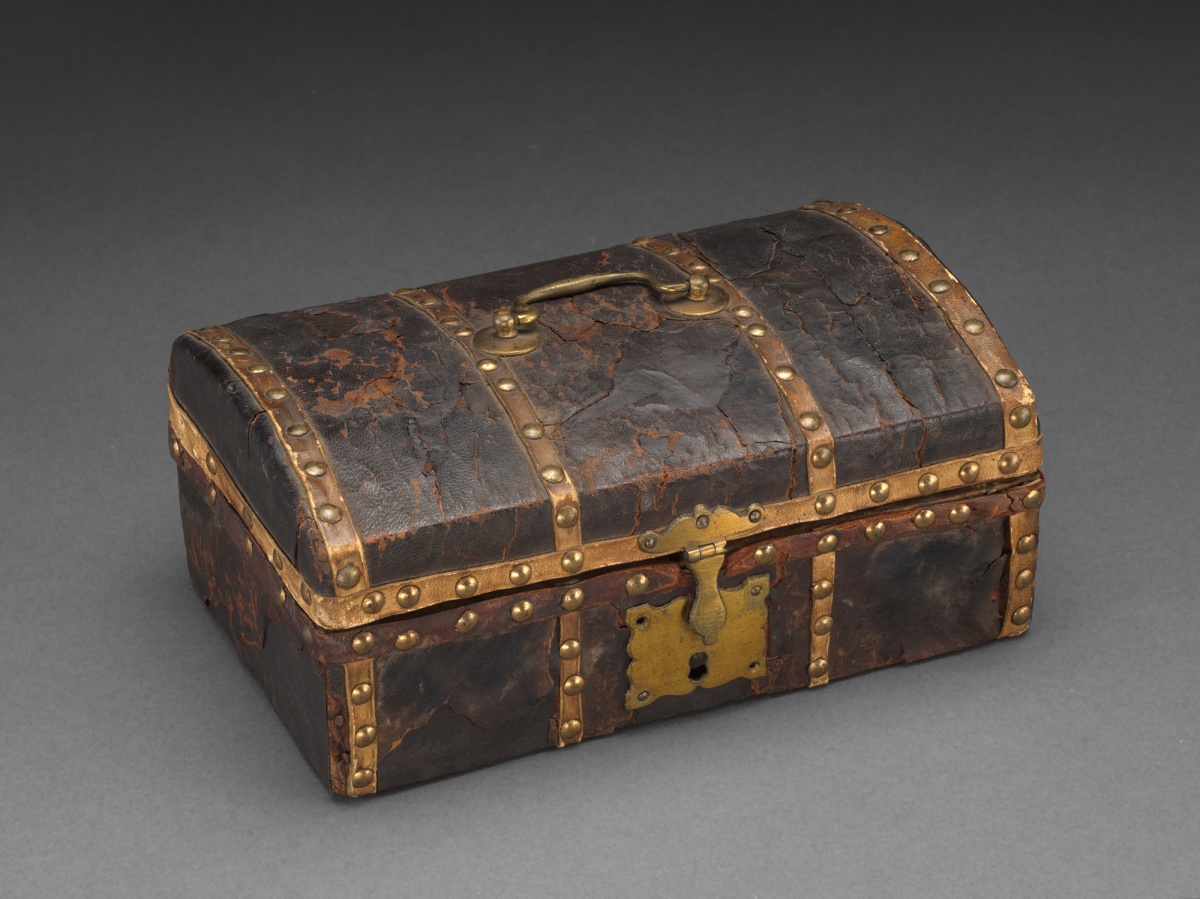
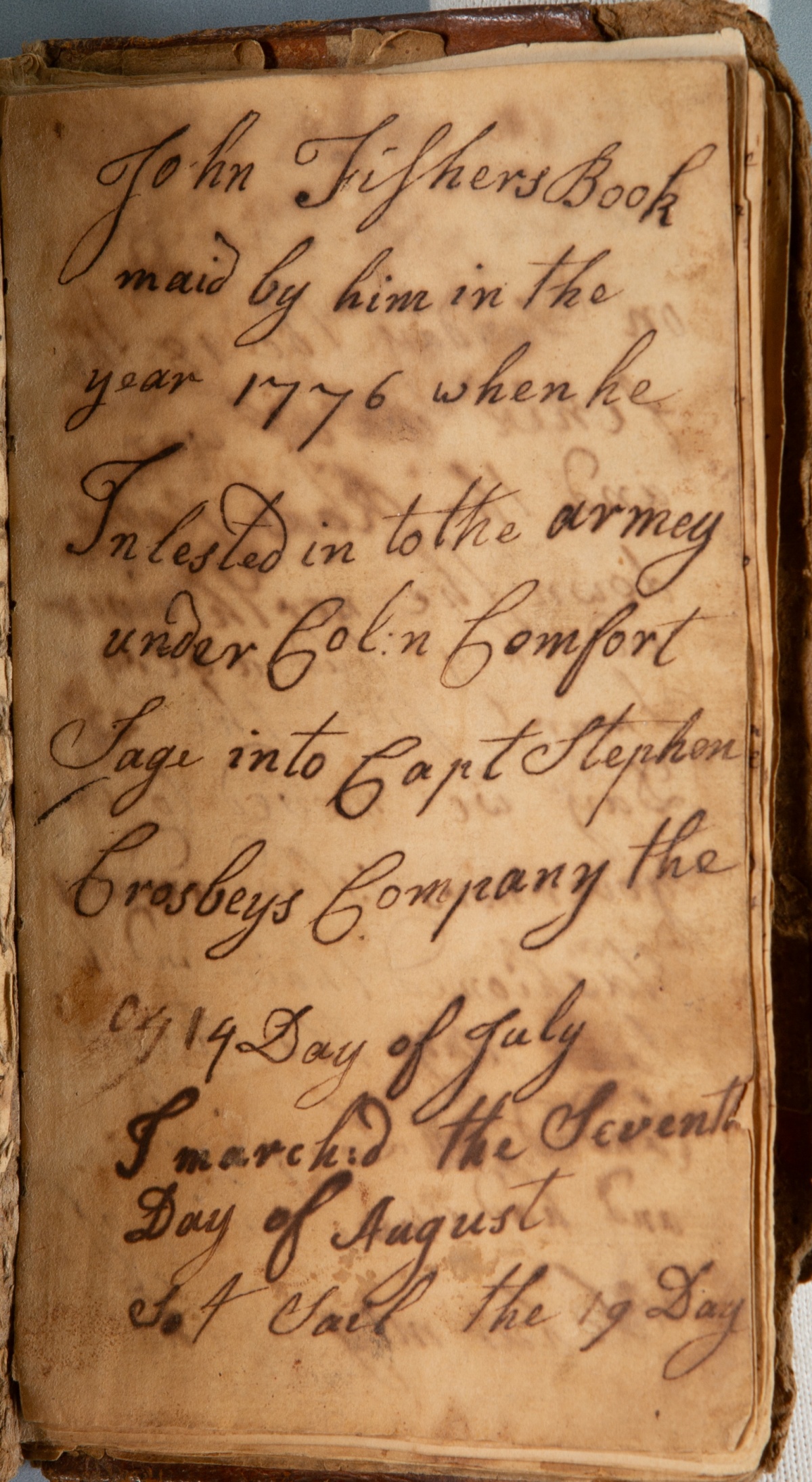
The Declaration of Independence and Its Legacy at DAR
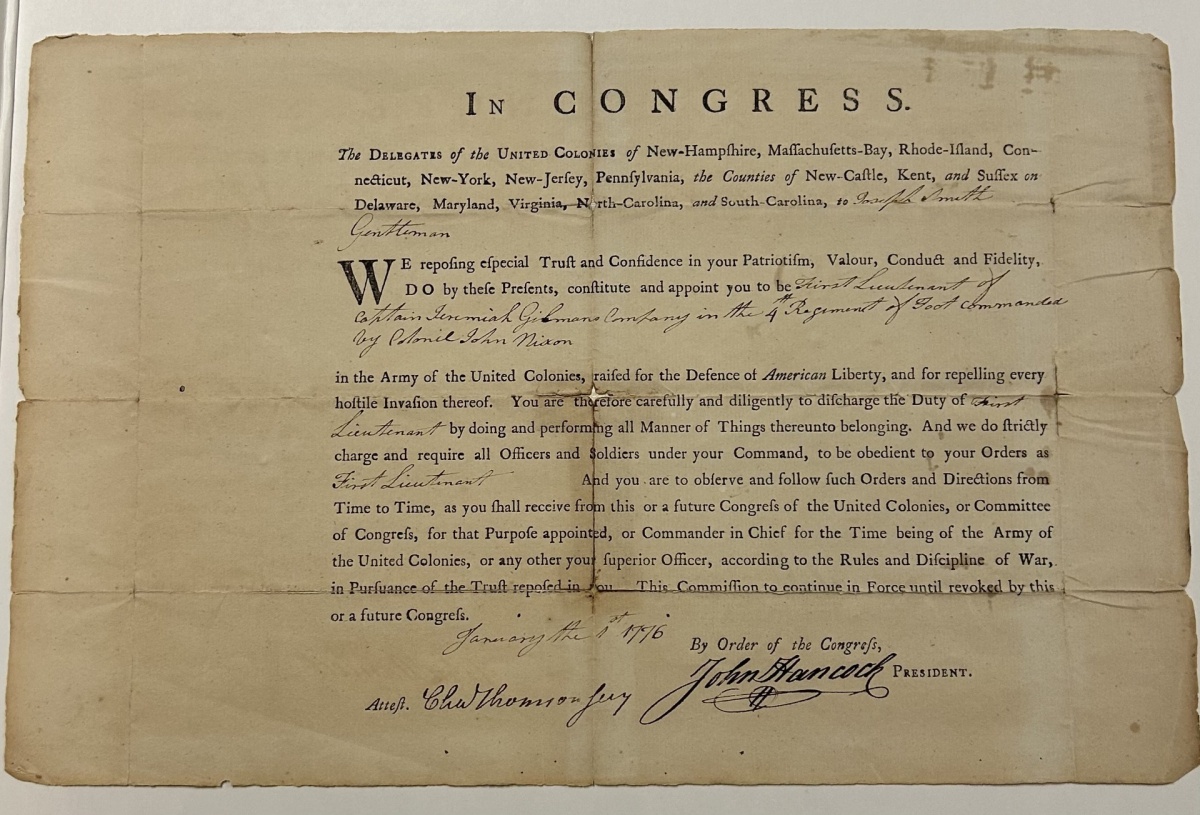
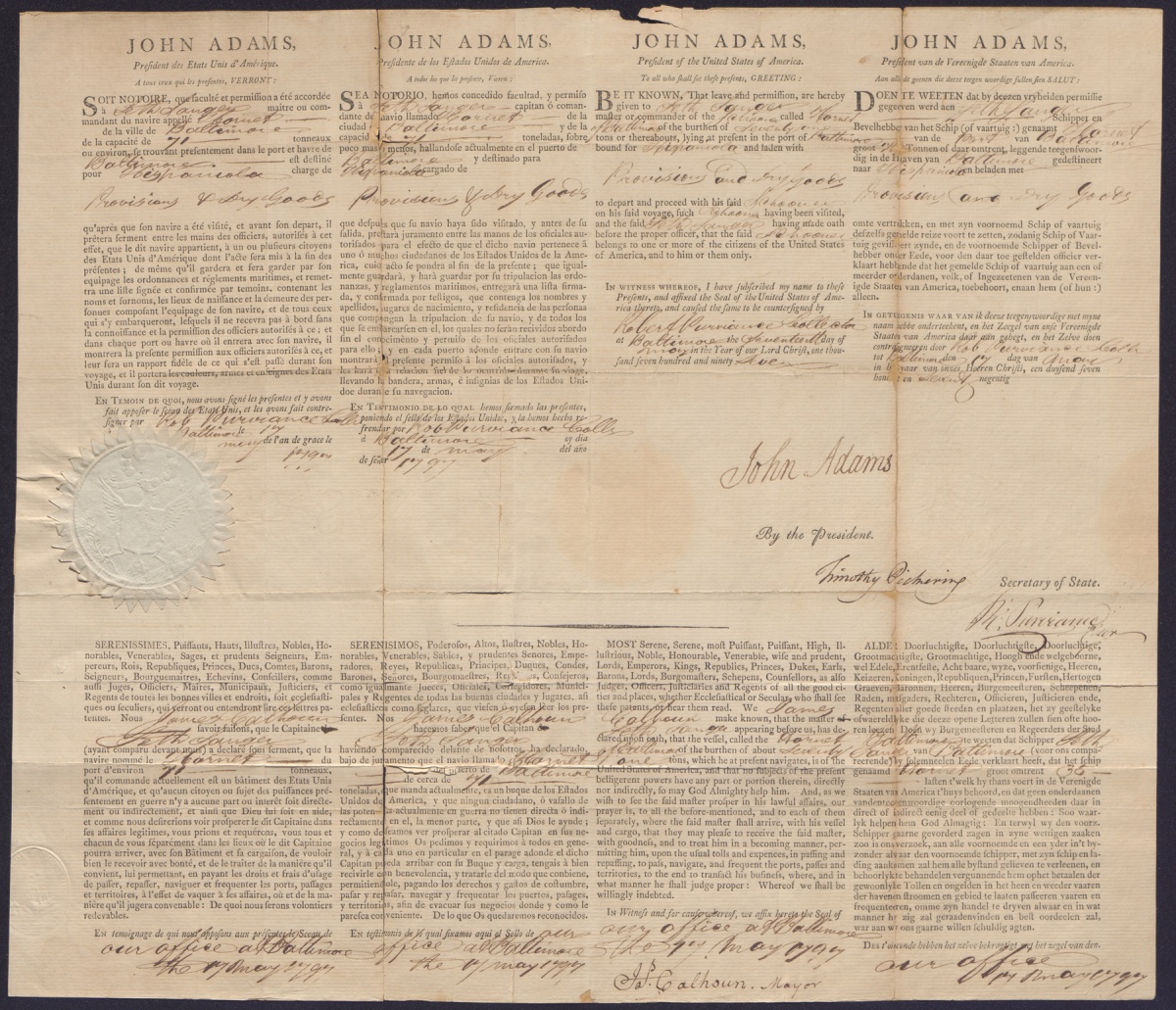
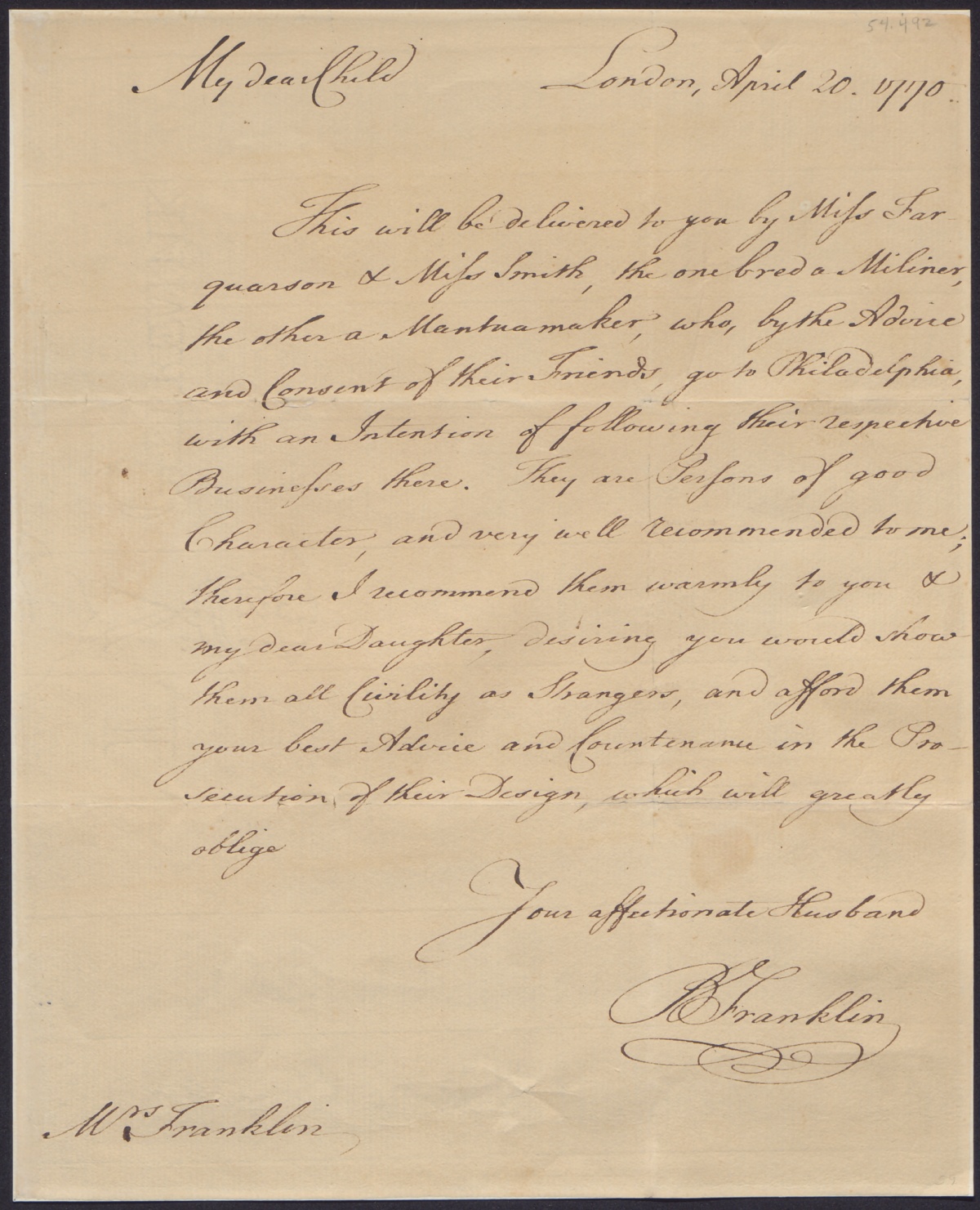
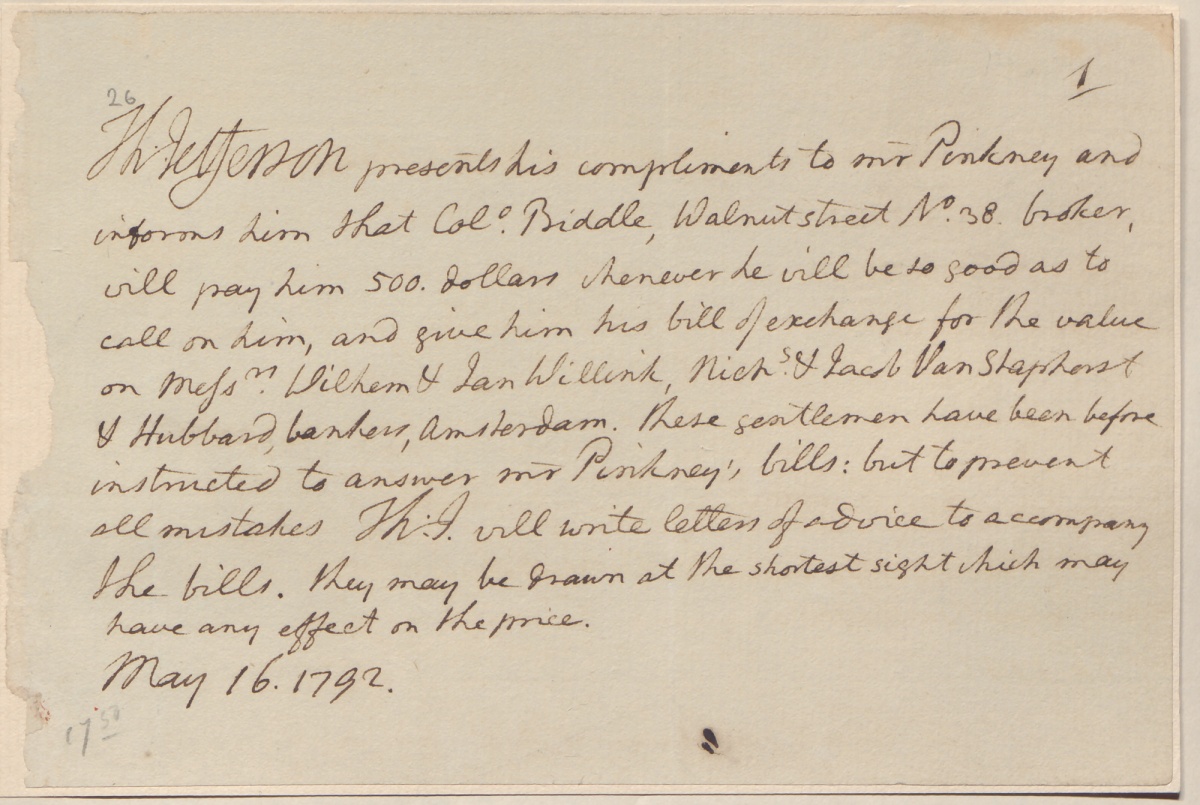
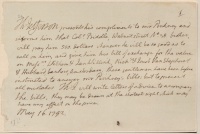
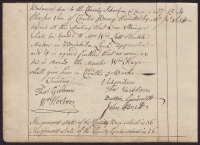
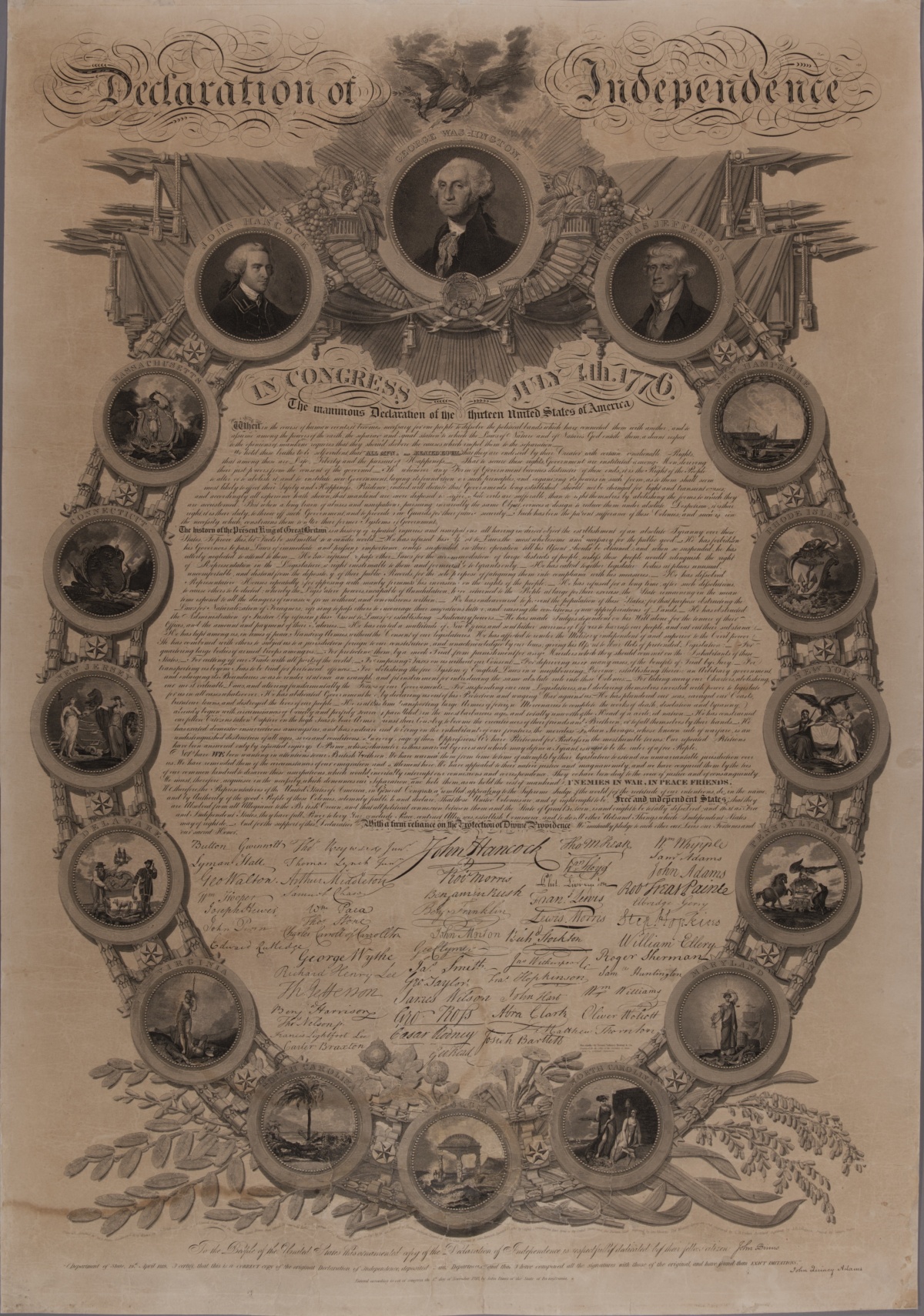
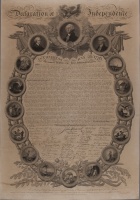
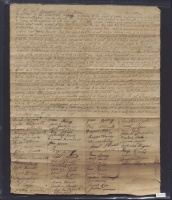
Complementing the exhibition is Preserving Patriotism: The Declaration of Independence and Its Legacy at DAR, on view in the Museum’s Study Gallery. Serving as a prelude to Revolution in Their Words, the display brings together signatures of all 56 signers of the Declaration of Independence. Never before exhibited in their entirety, these signatures are among the most prized documents in the Americana Collection of the National Society.
Image

Preserving
Patriotism
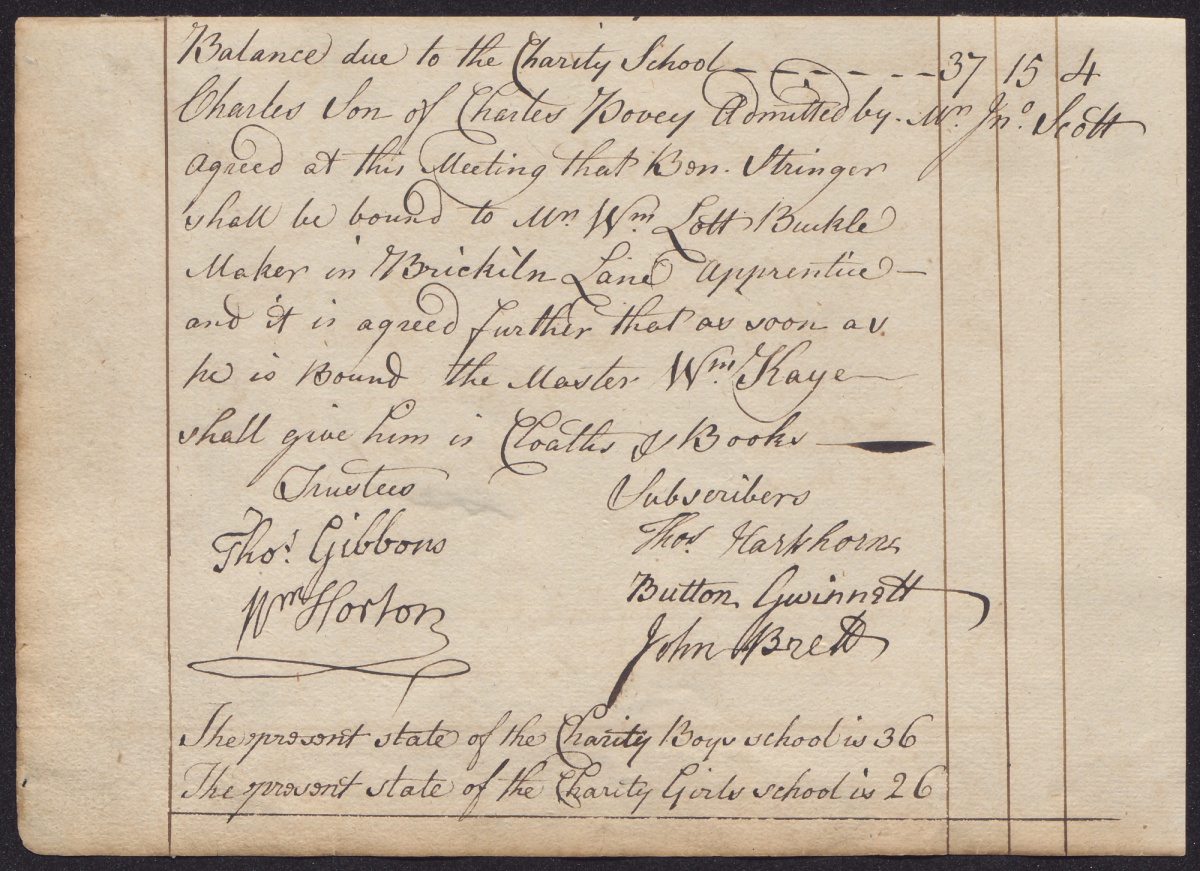
The historical records containing signatures of all 56 men who signed the Declaration of Independence are among the most prized documents in the Americana Collection of the National Society Daughters of the American Revolution (NSDAR).
Now housed in the DAR Library, the Americana Collection was formed in 1940, on the 50th anniversary of the National Society. A key part of the organization’s mission is preservation of “relics”– artifacts and documents– from the nation’s past.
Spanning six decades, from the 1750’s to the 1810’s, the autographs on display in the Museum are found in letters, legal documents, and receipts, giving a glimpse into the daily life of the men who signed the Declaration. Collectively, they represent the ongoing commitment to preserving and upholding the founding principles of our nation. It is especially fitting that they are all are on display for the first time to commemorate America’s 250th anniversary of the Declaration of Independence.