Retro Rooms
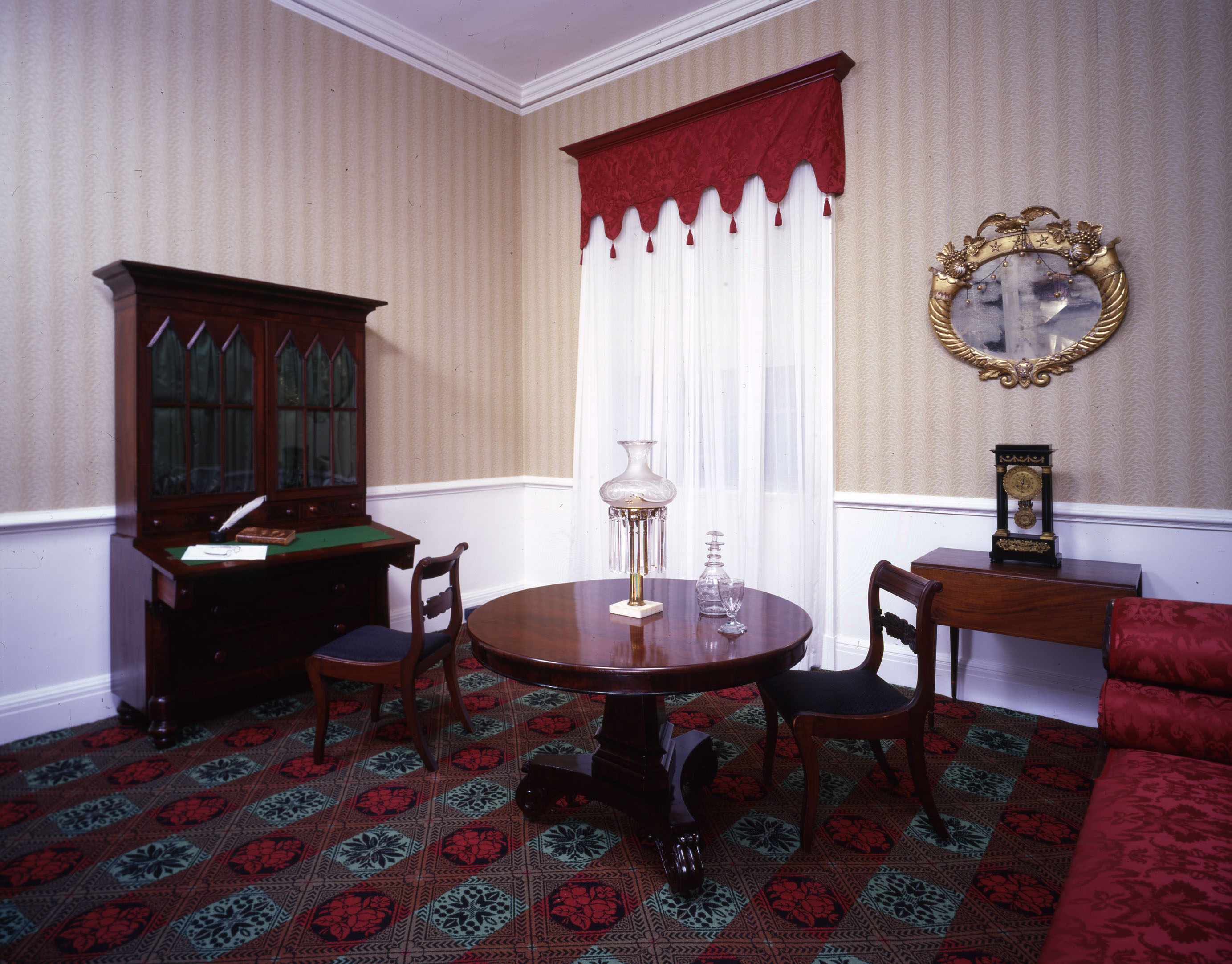
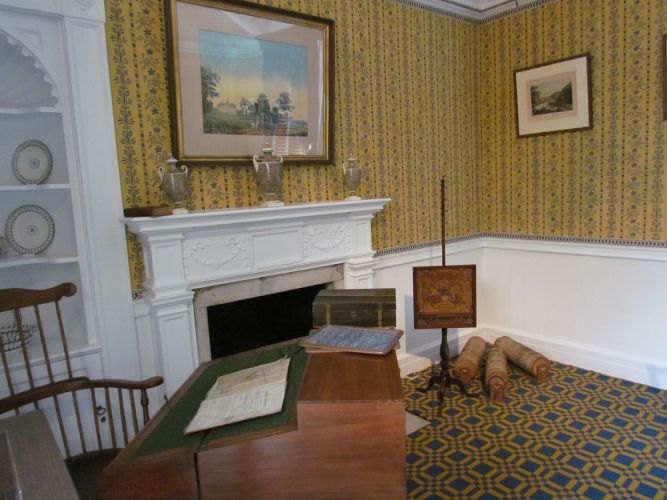
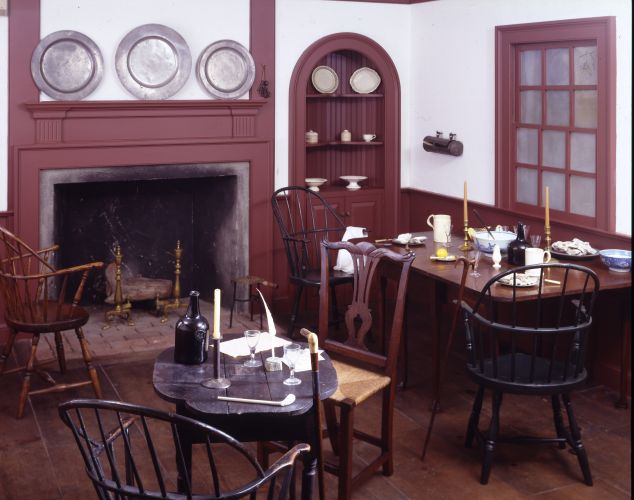
The DAR Museum’s period rooms have evolved much over the past century. Many of the period rooms today occupy spaces in Memorial Continental Hall that were once the administrative offices of the National Society before the Administration Building was built. In celebration of the DAR’s 125th anniversary, the DAR Museum is showing vintage photos of how the period rooms looked way back when and what they look like today.
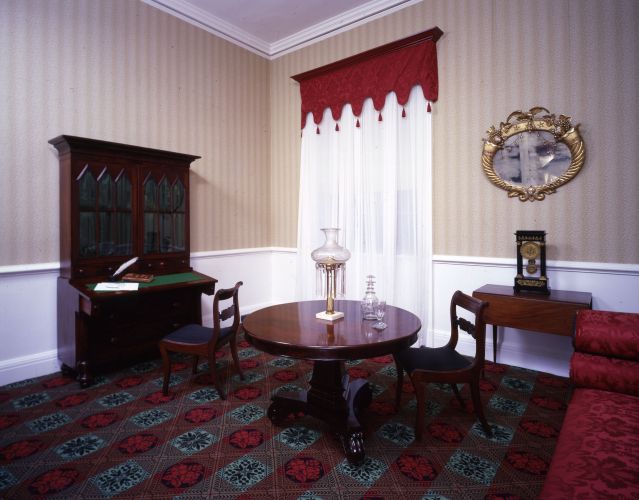
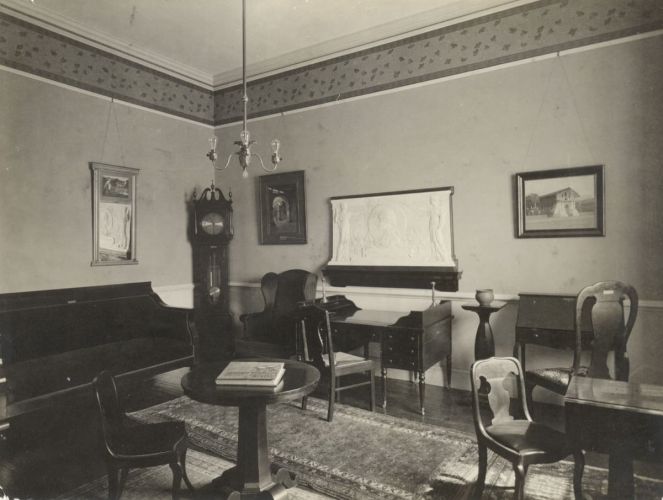
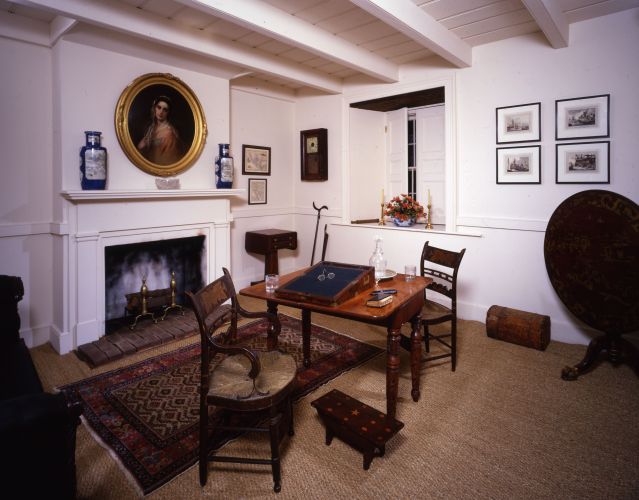
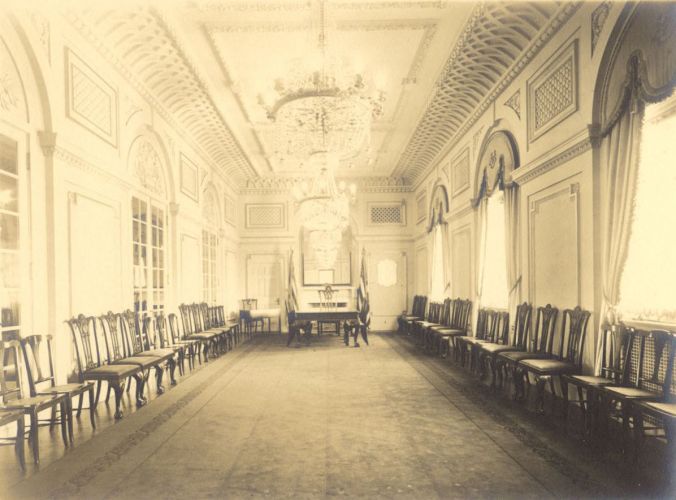
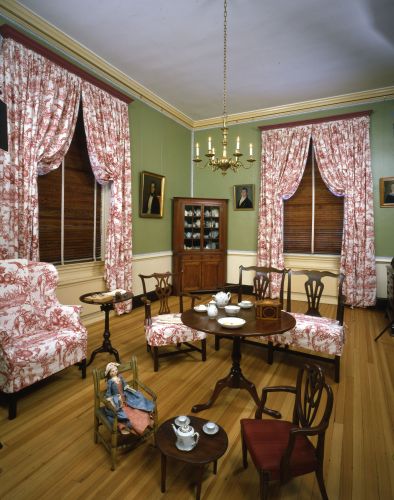
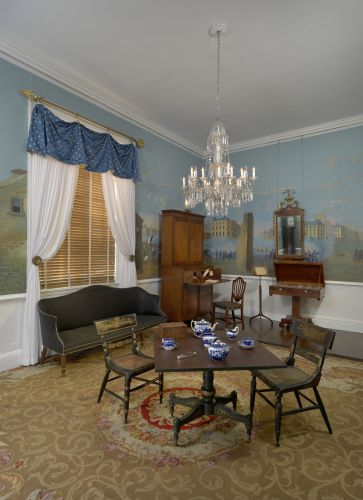
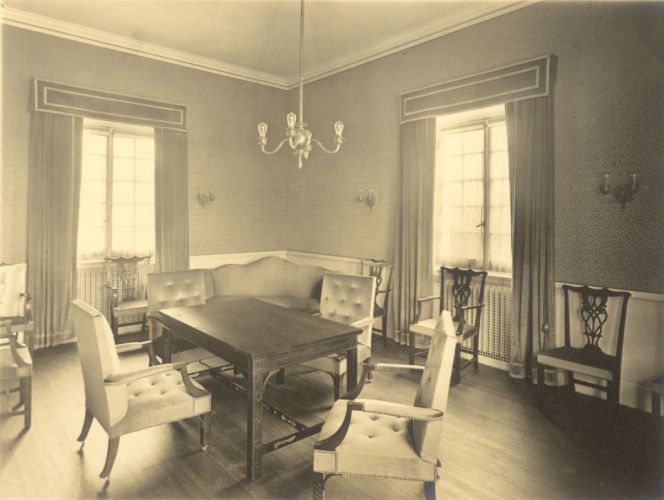
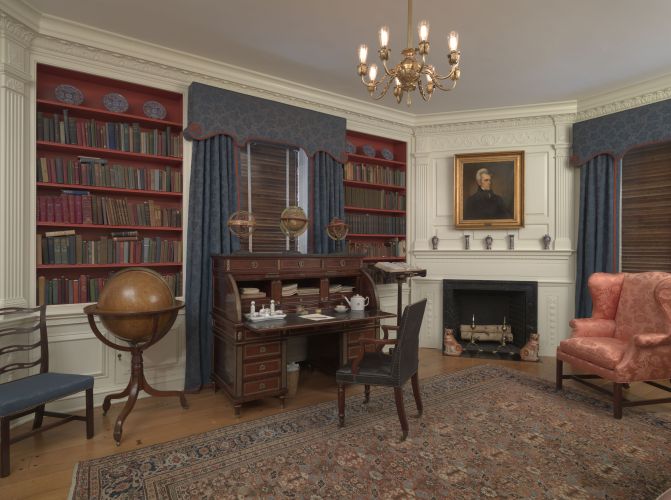
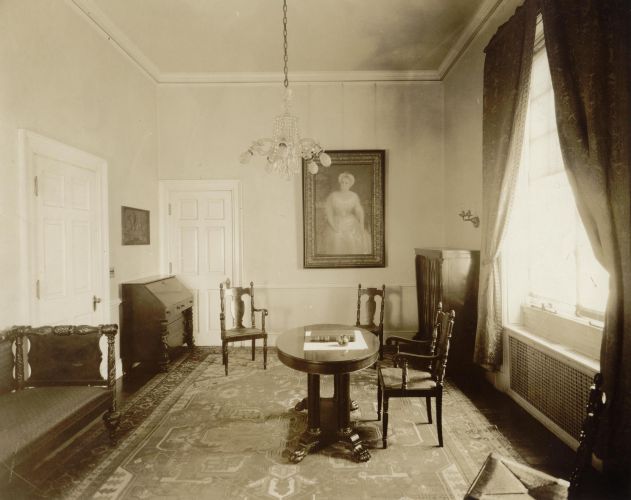
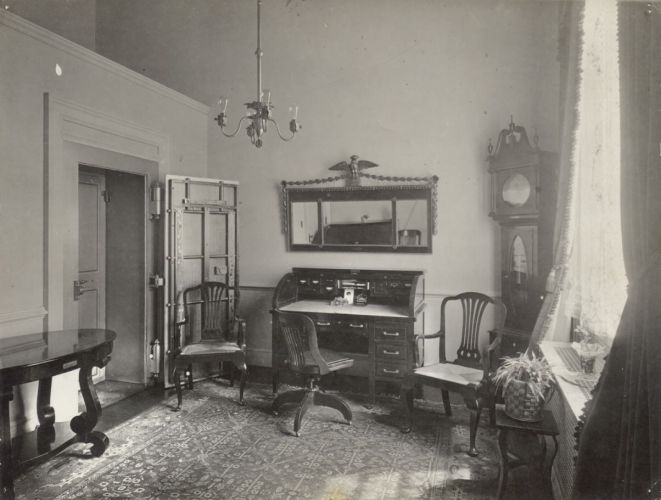
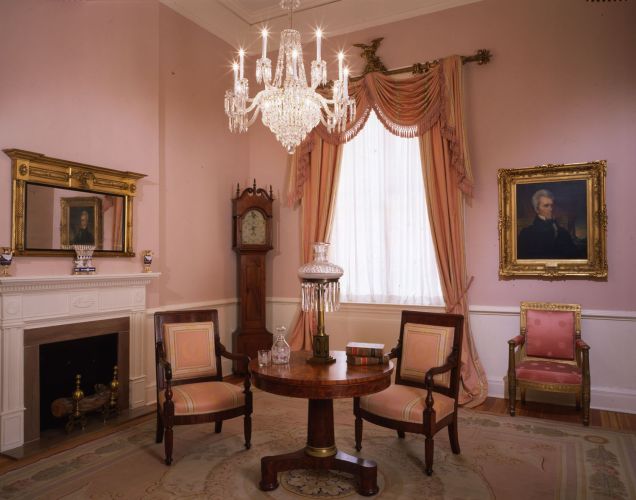
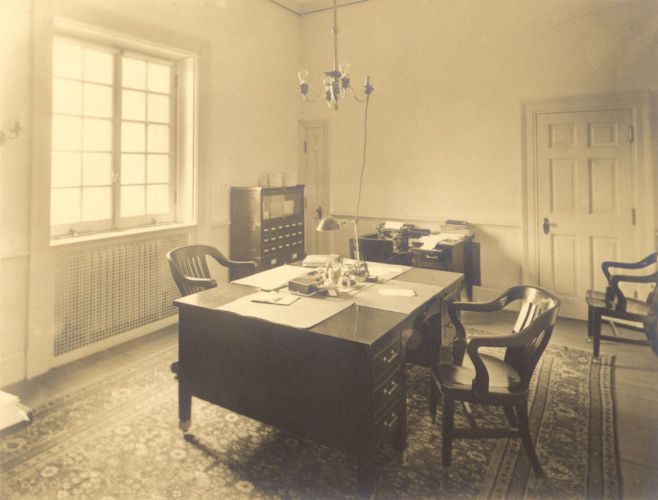
President General's Office 1910
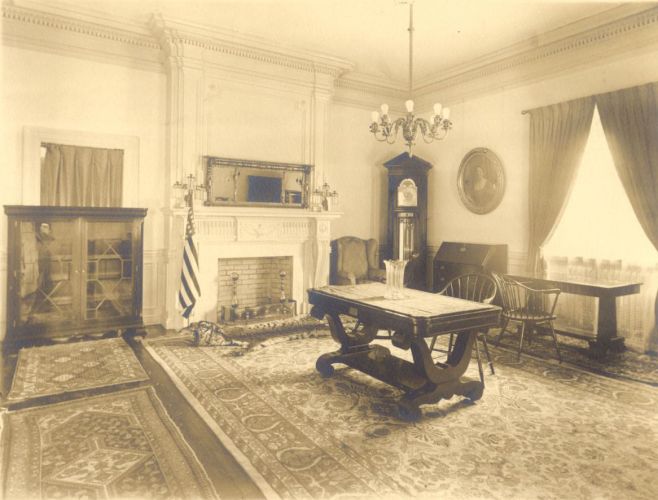
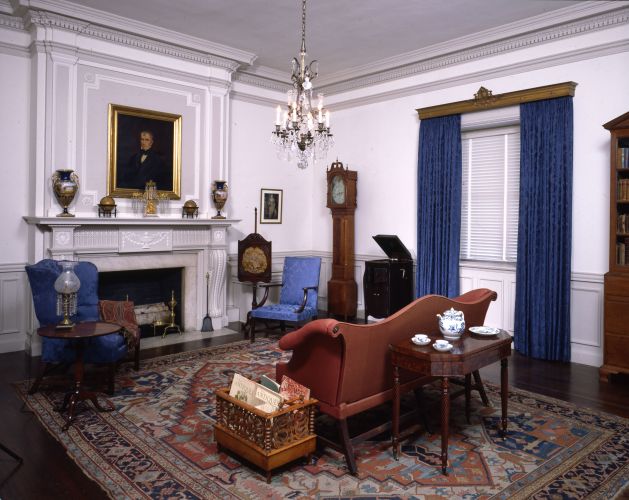
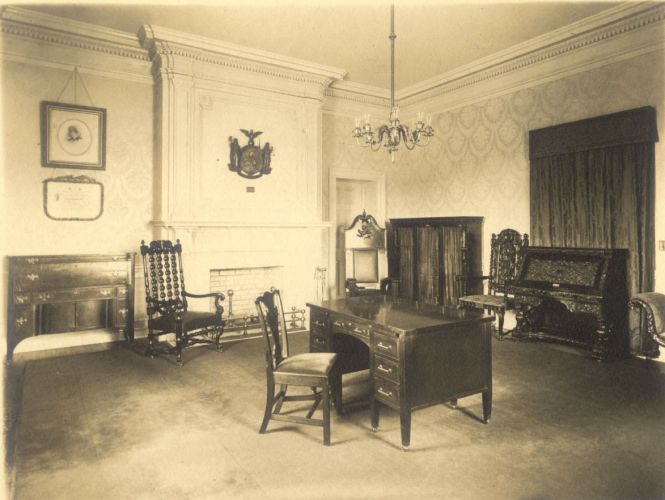
It was originally built and furnished by the Indiana DAR for use as the President General’s office. Notice a variety of colonial revival styles in the center table, bookcase and “grandfather clock.” Oriental carpets and a tiger skin hearth rug were fashionable decorative accessories in the early 1900s.
Current Indiana Period Room
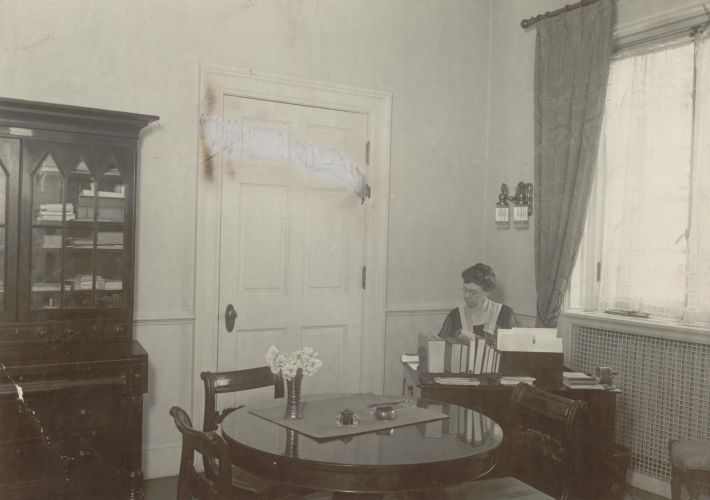
President General's Reception Room 1920
The President General, the DAR’s executive officer, greeted visitors in this room during the 1910s and early 1920s. In here she could also have committee meetings and do other official business. The unidentified lady sitting at the desk is likely her personal secretary.
Current Alabama Period Room
Unassigned Office 1912
The most striking feature of this room is the plaster relief on the wall representing California and the National Society Daughters of the American Revolution sculpted by California artist Julia Bracken Wendt. The framed pictures show California missions and the painted frieze depicts California poppies.
Current California Period Room
National Board Room 1911
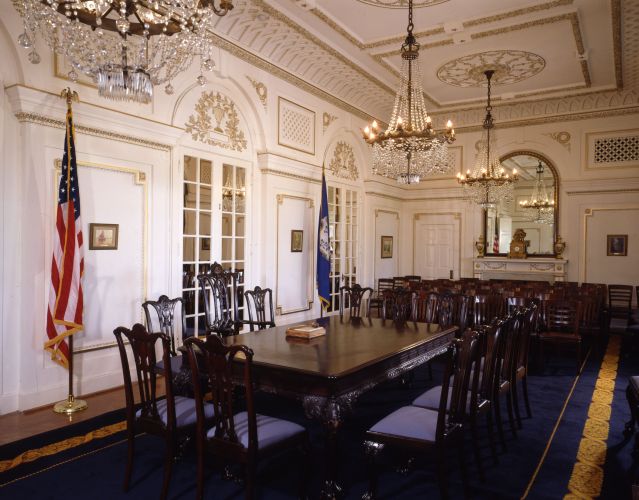
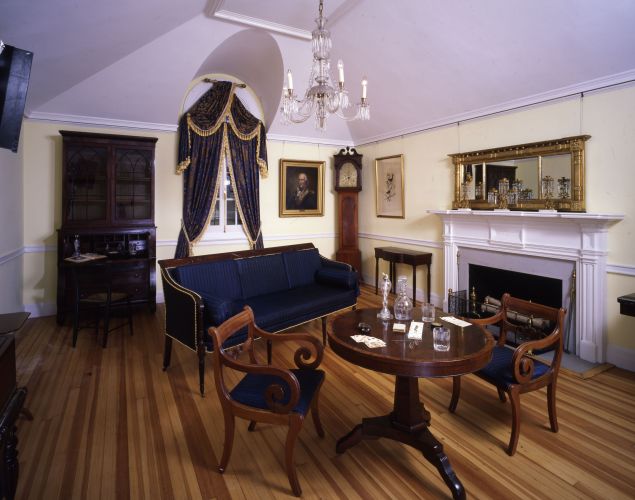
This room hasn’t changed much since its completion, and it still features much of the mahogany furniture seen in this photograph. Connecticut DAR members generously paid for the room, which included blue silk satin curtains trimmed in gold and blue fringe and tassels. Note the exposed electric light bulbs in the chandeliers.
Current Connecticut Board Room
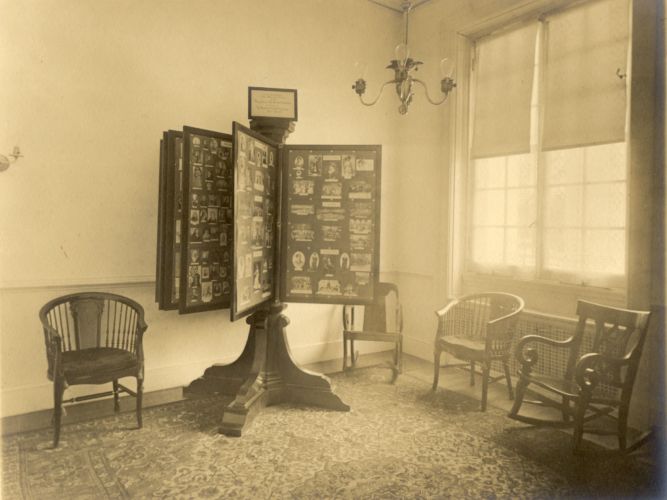
Reception Room 1911
Various District of Columbia chapters donated funds to pay for the construction and furnishing of this room. While waiting for an appointment, visitors could browse the many pictures displayed in the large mahogany flip screen stand containing the latest pictures published in the DAR journal The American Monthly Magazine.
Current DC Period Room
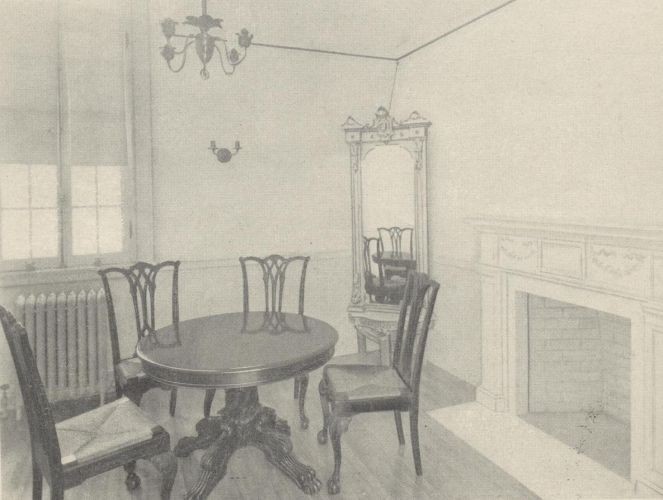
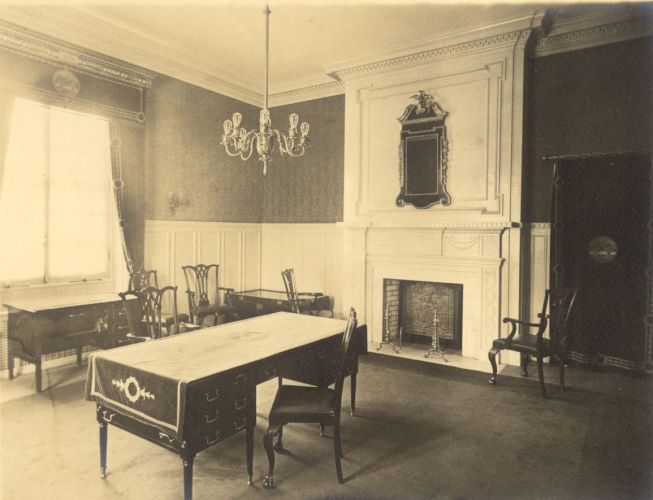
Private Dining Room 1911
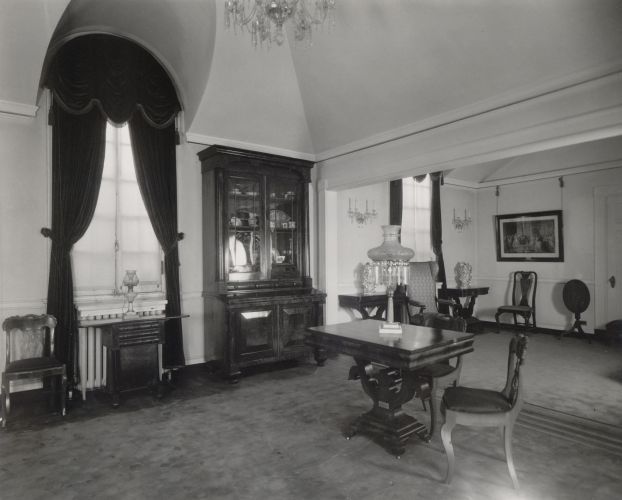
Delaware chapters contributed mahogany furniture for a small private dining room. The suite consisted of a center table, four chairs in the rococo style and a large gilt framed mirror in the Renaissance revival style.
Current Delaware Period Room
Vice President General’s Office 1911
Furnished in the colonial revival style by Illinois, the Vice-President General sat at a reproduction desk. The original was thought to have been used by George Washington at Federal Hall in New York. Though much of the furniture represents historical styles, modern office equipment can also be found here, including typewriters and filing cabinets.
Current Illinois Period Room
Registrar General’s Office 1911
Iowa DAR paid for a thoroughly modern office for the staff processing DAR membership applications. Mahogany furniture and Oriental rugs can’t conceal the serious business that went on in here.
Current Iowa Period Room
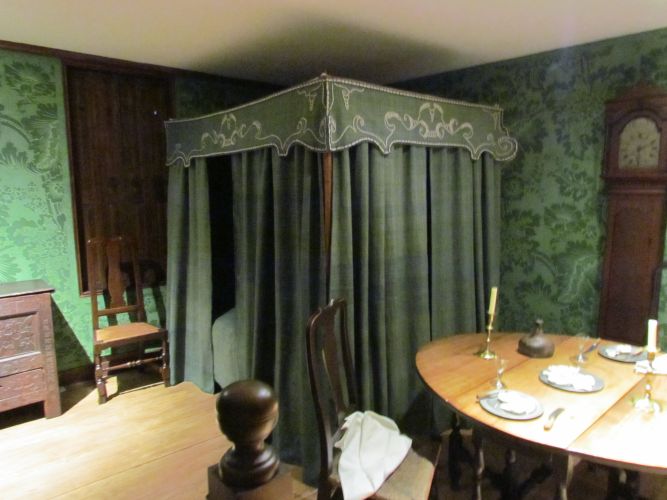
Rest Room 1911
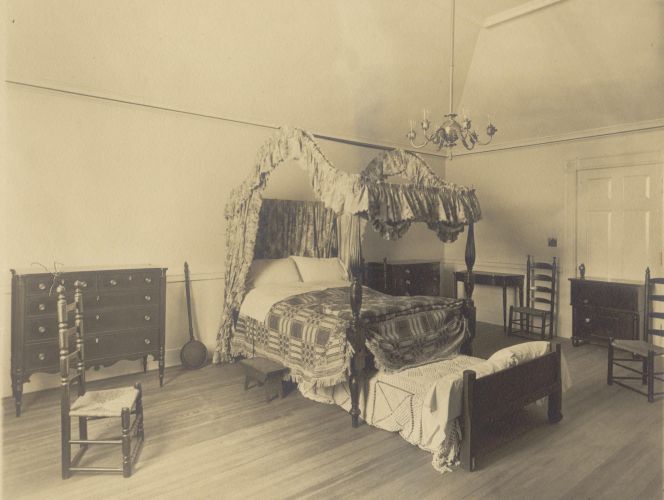
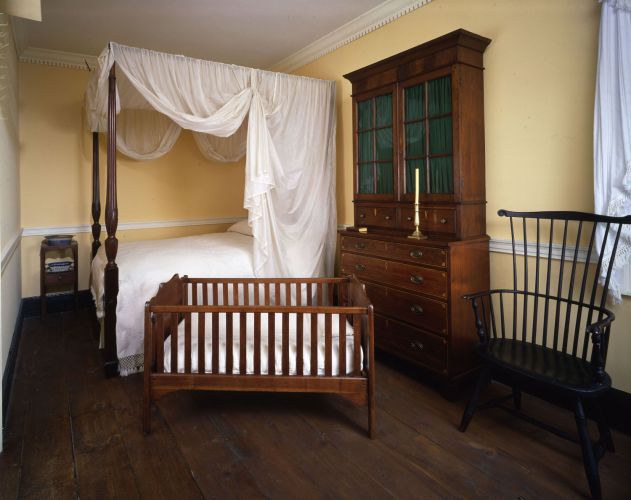
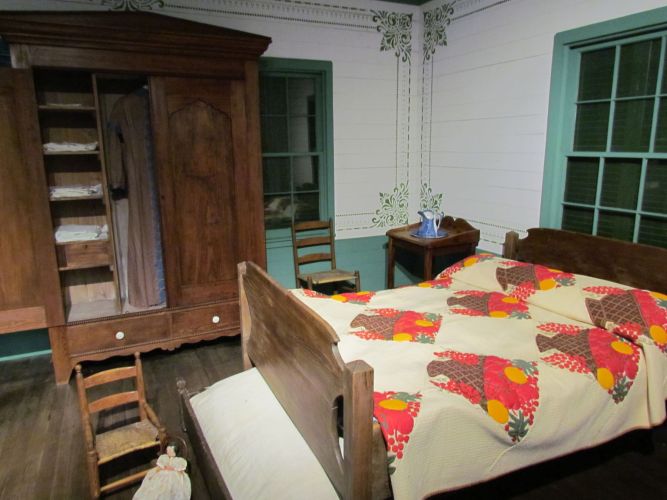
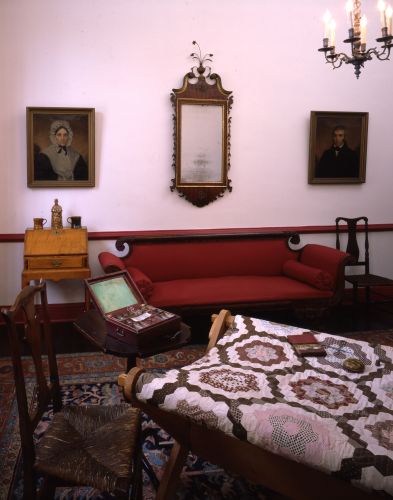
Miss Floretta Vining, Regent of the Johns Adams Chapter in Boston, gave the furnishings for this “colonial” bedroom. Though most dated from the 1800s, all these items were thought to have dated from the time of the American Revolution. Ladies used this room as a place for resting, reading and writing.
Current Kentucky Period Room
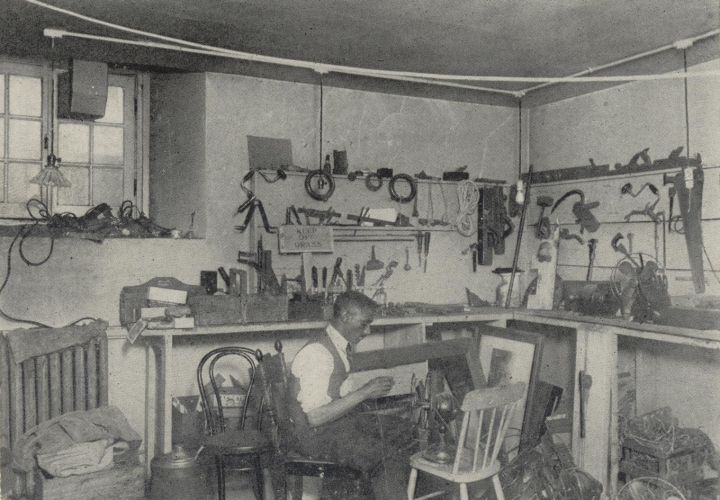
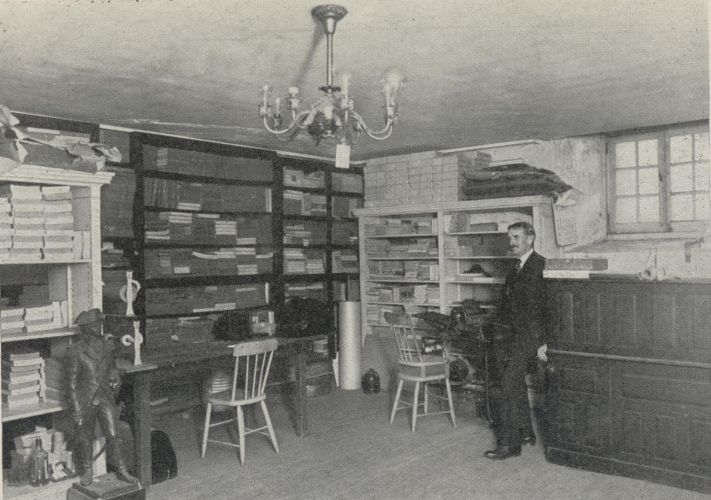
Work Room 1912
This unidentified gentleman appears to be oiling a fan in this well-appointed workroom. Notice other fans on the floor; perhaps he is servicing them in anticipation of hot DC summers (in the days before air conditioning). Here the superintendent’s workforce made small in-house repairs and performed general maintenance throughout the building.
Current Louisiana Period Room
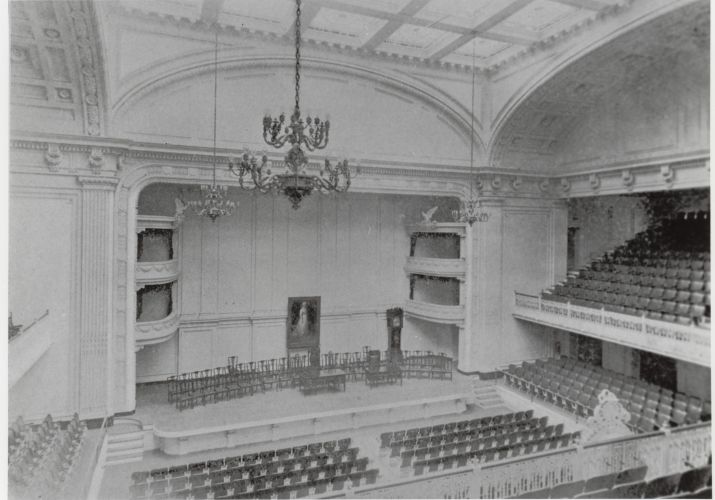
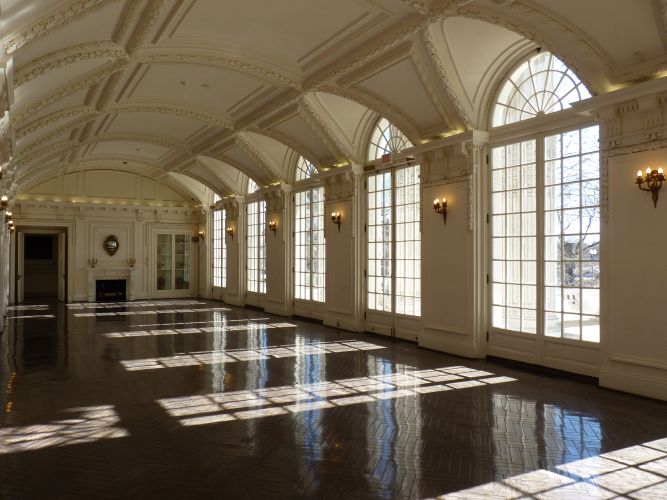
Auditorium 1911
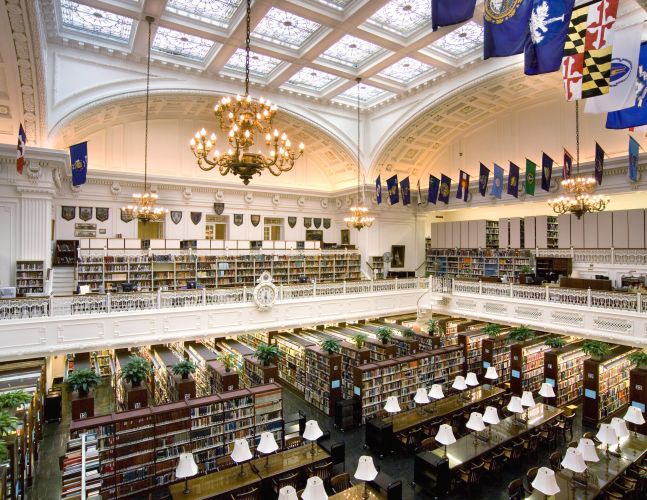
Converted into a library in 1950, this room originally had a stage and seating used for the annual DAR meeting called Continental Congress. The space was provided to other organizations to hold cultural events. In 1921, the room was the site of the Conference on the Limitation of Armament.. Also called the Washington Naval Conference, it sought to reduce naval power around the world following WWI.
Current DAR Library
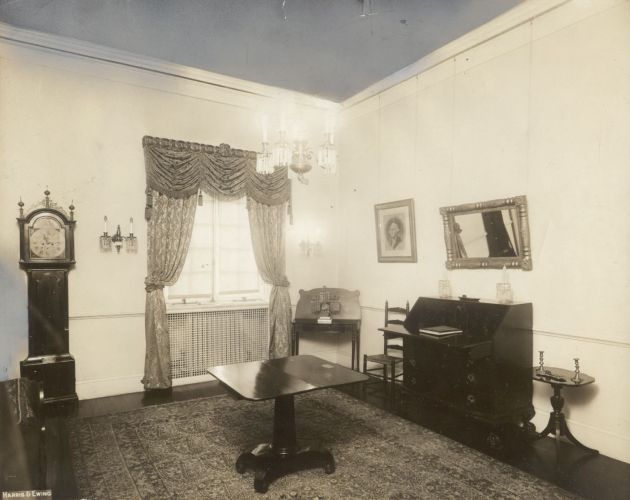
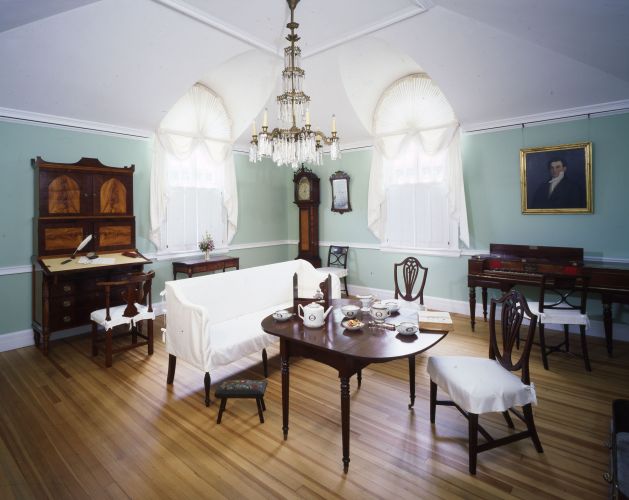
Committee Room 1920
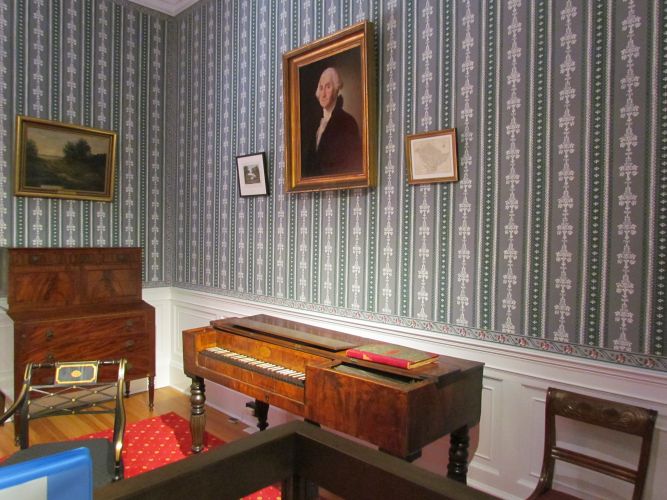
Described as an “old-fashioned Colonial parlor,” antiques decorated this room. Most of the items, however, post-dated the American Revolution. Silk damask drapes decorate the window while an Oriental carpet covered the floor. George Washington looks approvingly over the room from his portrait on the wall.
Current Massachusetts Period Room
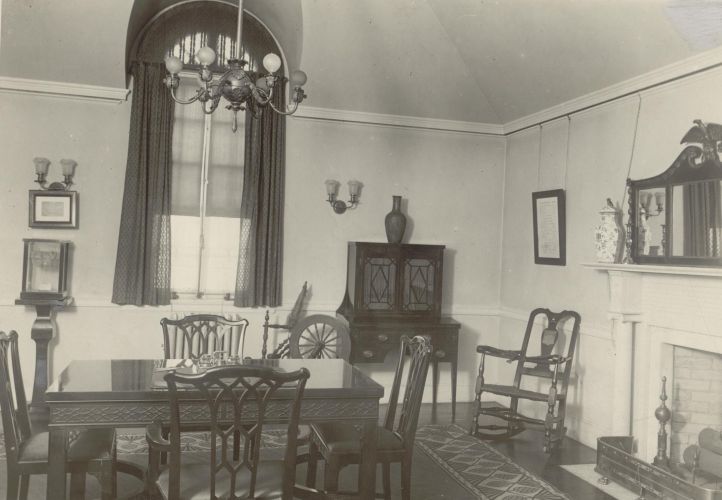
Committee Room 1910s
Chinese style fretwork decorated the mahogany meeting table and matching chairs. Of particular interest was the rug made on Cranberry Island off the Maine coast with a pinecone design in green and brown colors. Colonial revival touches included the spinning wheel and rocking chair.
Current Maine Period Room
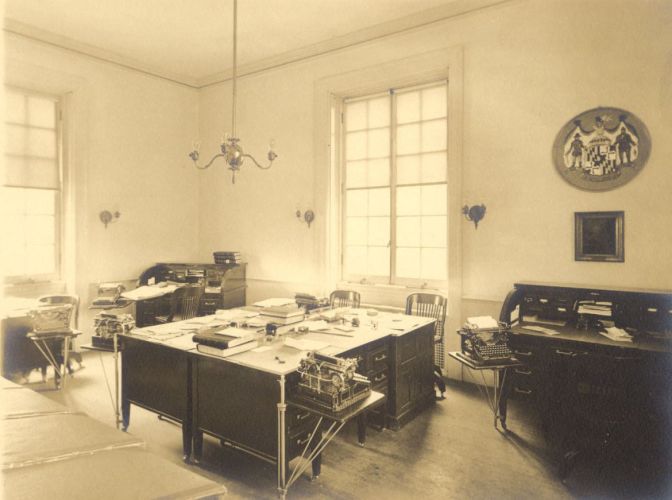
Accounting Office 1911
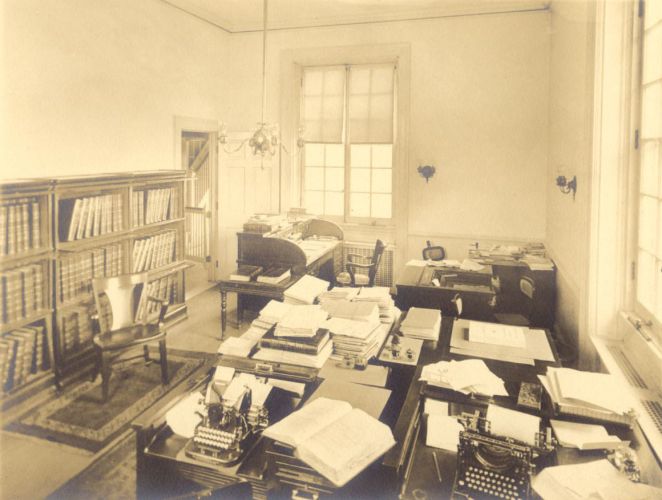
Another business office, this time paid for by Maryland DAR members, this room was where accountants kept the National Society’s books. There is a definite absence of soft furnishings here like oriental rugs and curtains. All the furniture was made of, or stained to resemble, mahogany.
Current Maryland Period Room
Magazine Committee’s Office 1911
This elegantly decorated room featured mahogany furniture in the colonial revival style. Michigan members choose “old blue” silk brocade for the walls as well as velvet curtains and upholstery for the room they donated.
Current Michigan Period Room
Curator General’s Office 1911
Missouri DAR’s contribution to this office included a large portrait of Alice Brevard Ewing Walker, the first Vice-President General for the state. The colonial style carved mahogany furniture was purchased for the room.
Current Missouri Period Room
Superintendent’s Office 1912
Robert D. Phillips, the building superintendent, posed in front of his imposing mahogany roll top desk. His office featured a wood floor, simple woodwork and even a gilded chandelier. Three janitors, three chairwomen, a guide, messenger and telephone operator worked under his watchful eye.
Current North Carolina Period Room
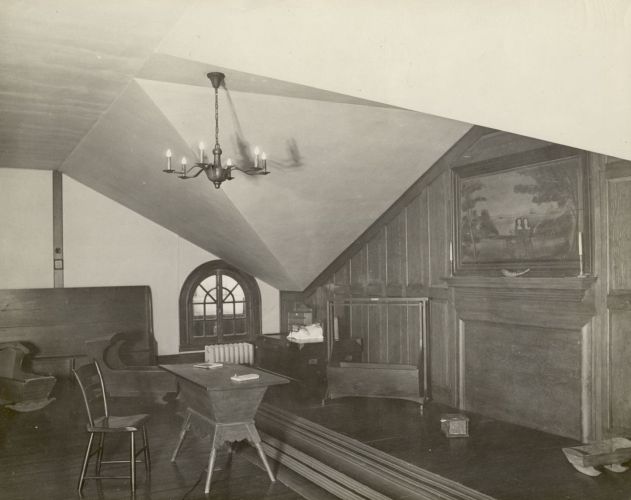
Period Room 1931
This picture shows the newly installed period room with paneling by Wallace Nutting, a photographer, antiquarian and furniture maker, who popularized the colonial revival style. Prior to becoming a period room, this was unassigned storage space.
Current New Hampshire Period Room
Committee Room 1911
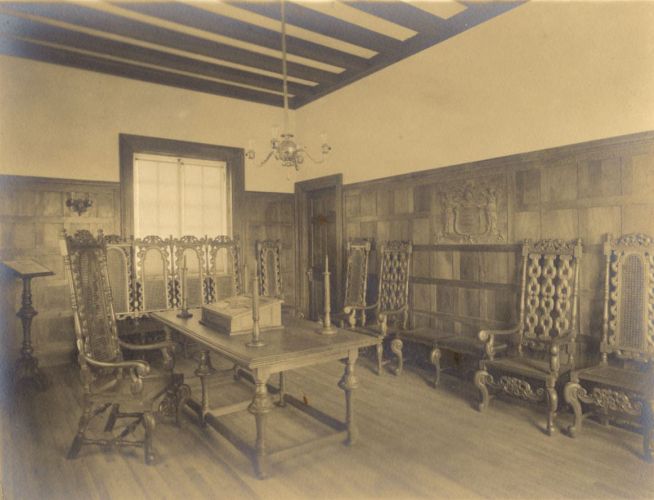
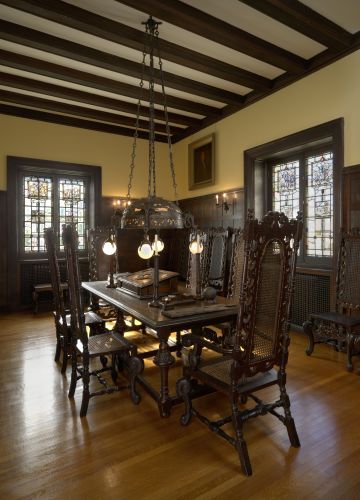
This oaken room hasn’t changed much since donated by New Jersey DAR. The only item missing is the iron chandelier which, at the time, was being made by famed blacksmith Samuel Yellin. The portraits and stained glass came later. Various DAR committees met in this room.
Current New Jersey Period Room
Secretary General’s Office 1911
New York DAR contributed to the furnishing of this room. It was also called the “Founders’ Room” in honor of those four women who established the DAR: Eugenia Washington, Mary Desha, Ellen Hardin Walworth and Mary Smith Lockwood.
Current New York Period Room
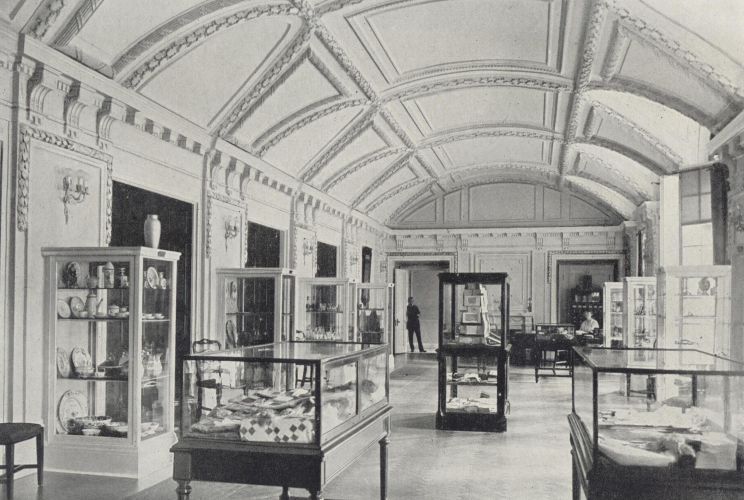
Museum Gallery 1920
The building superintendent, Robert D. Phillips, looks inquisitively from the door into the DAR Museum, while the Curator General, Mrs. Louise White, works at her desk. Many of the exhibit cases were made out of mahogany. Teapots, cups, plates, decanters, quilts and many other objects are displayed for guests’ appreciation.
Current O'Byrne Gallery
Historian General’s Office 1911
Old gold damask fabric covers the walls and contrasts nicely with the royal blue hand-knotted Austrian carpet. The heavy blue velvet drapes cover the windows and go nicely with the colonial revival mahogany furniture. Ohio DAR sponsored the room whose state seal is embroidered in to the curtain valances.
Current Ohio Period Room
Period Room 1934
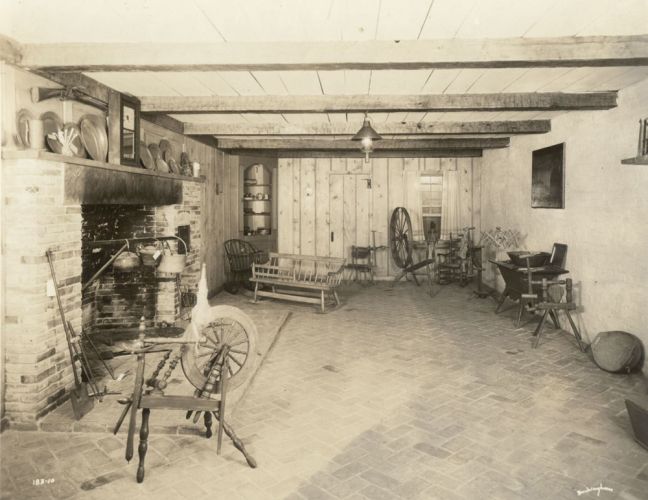
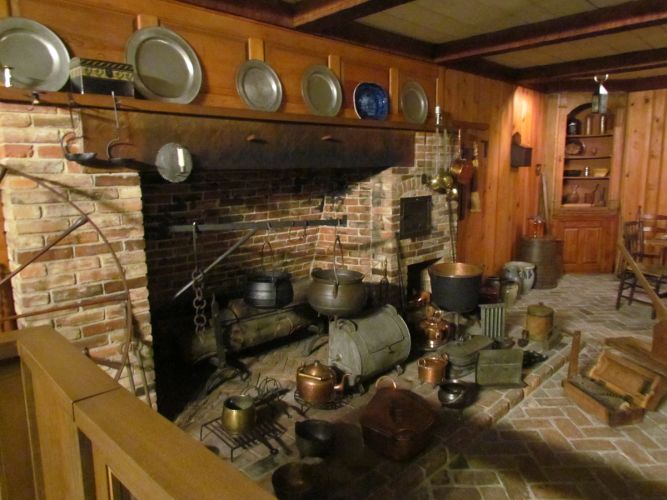
Before becoming the “colonial” kitchen, this room was unassigned storage space. This photo shows the room newly installed as a period room following the popular colonial revival style signified with the musket above the mantel.
Current Oklahoma Kitchen
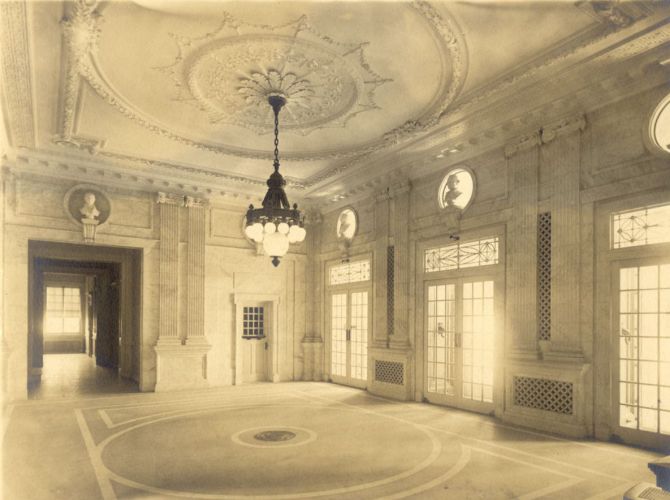
Reception Vestibule 1911
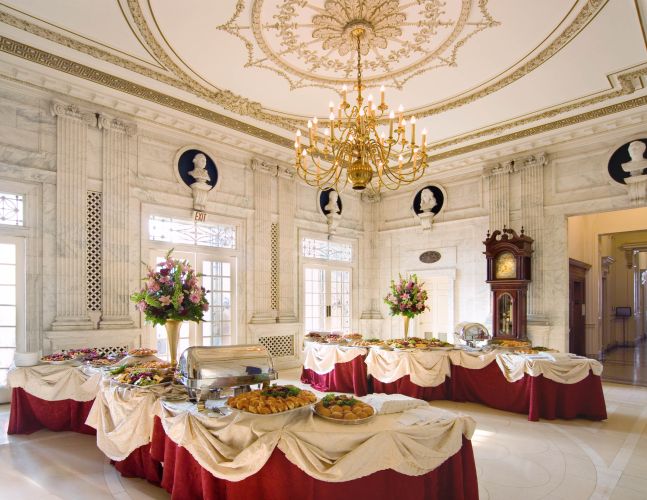
This grand entrance hasn’t changed much over the last century. The only noticeable differences are the original chandelier and the niches, allowing sunlight into the room behind the busts above the entrance doors. The Pennsylvania Alcove is located in the former coat check closet to the right of the corridor in the photo.
Current Pennsylvania Foyer
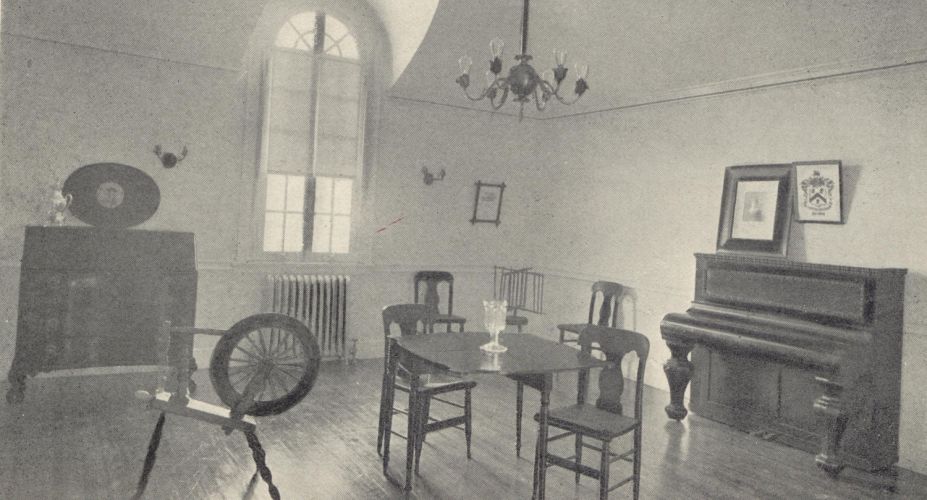
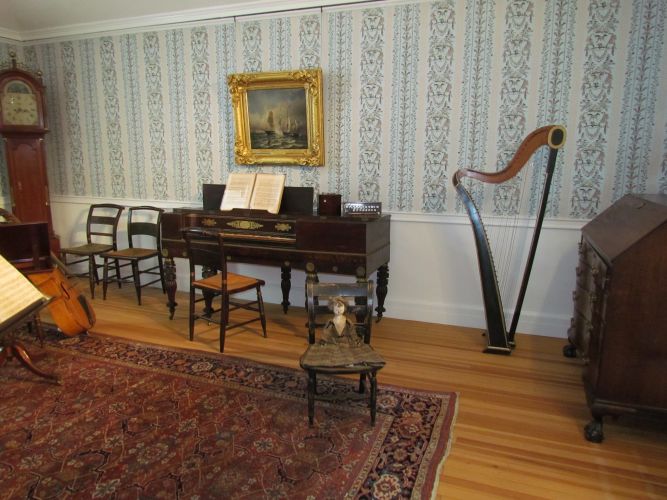
Rest Room 1911
Miss Floretta Vining, Regent of the John Adams Chapter in Boston, contributed to this room with family furnishings thought to have been colonial in style. In this room members could repose with a good book or play the piano.
Current Rhode Island Period Room
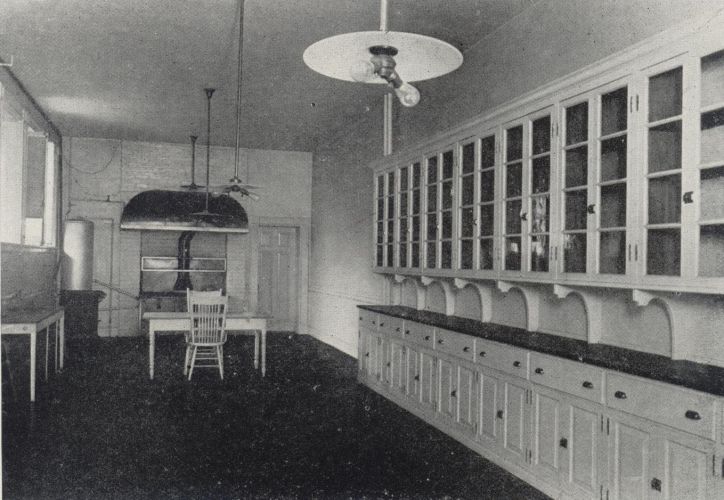
Kitchen 1912
Originally part of the Banquet Hall kitchen the South Carolina room today is located in place of the sink, range and exhaust hood to the left rear of this photo. The long corridor outside today originally featured the pantry cupboards in the foreground.
Current South Carolina Period Room
Treasurer General’s Office 1915
Originally this room had a large safe to secure the NSDAR’s membership dues and other valuables. Mahogany colonial revival-style furniture accompany a strictly business roll top desk and office chair with an oriental rug on the floor.
Current Tennessee Period Room
Corresponding Secretary General’s Office 1911
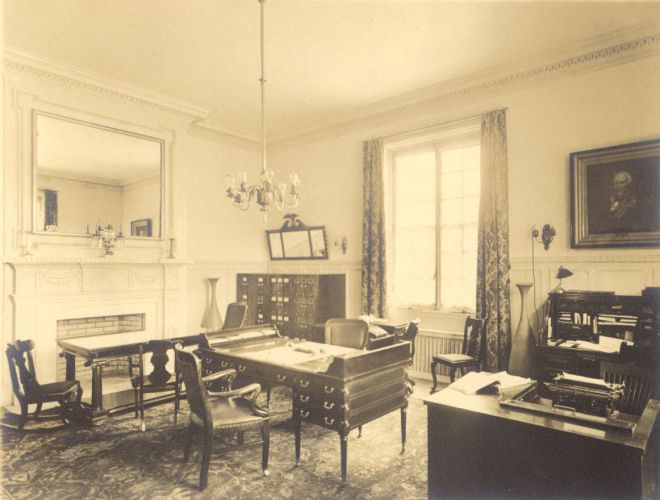
Texas DAR furnished this room for business with a partner’s desk and filing cabinet. An oriental rug softened the solid character of the mahogany office furniture. Notice the desk lamp powered by an extension cord plugged into the chandelier.
Current Texas Period Room
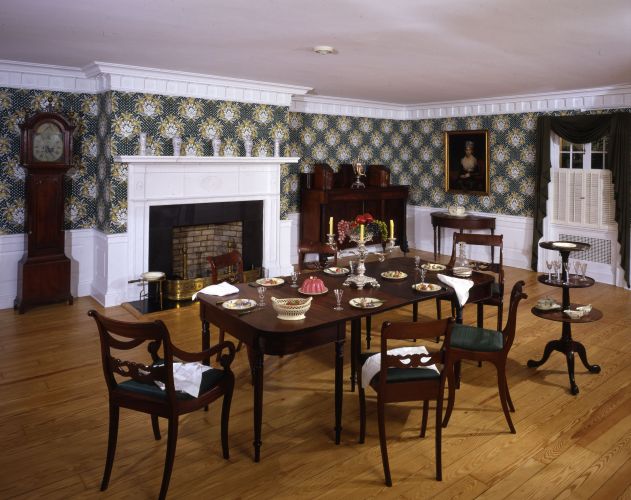
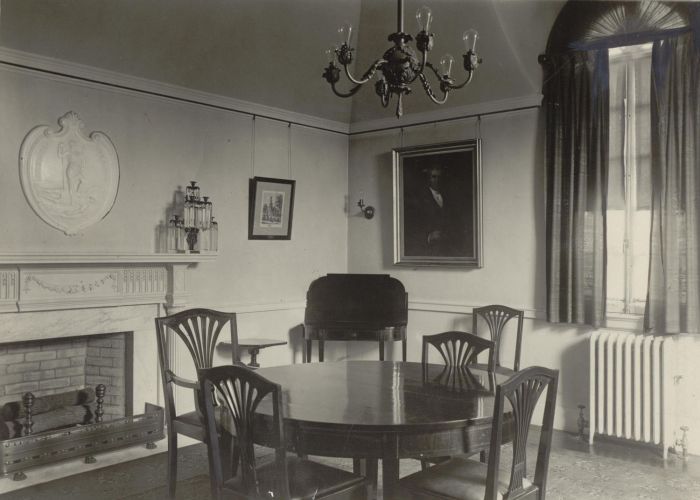
President General’s Dining Room 1912
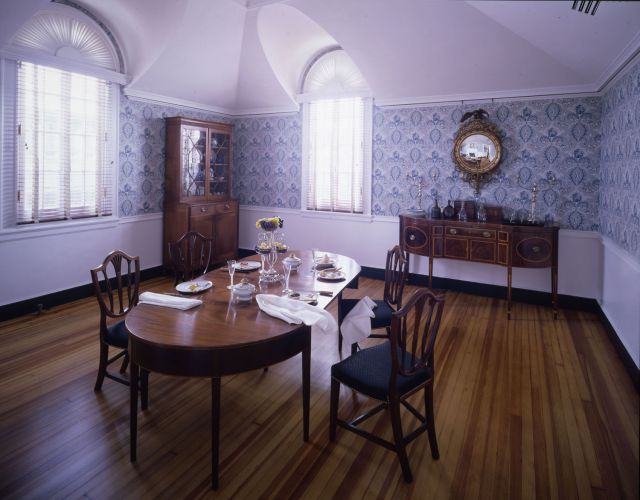
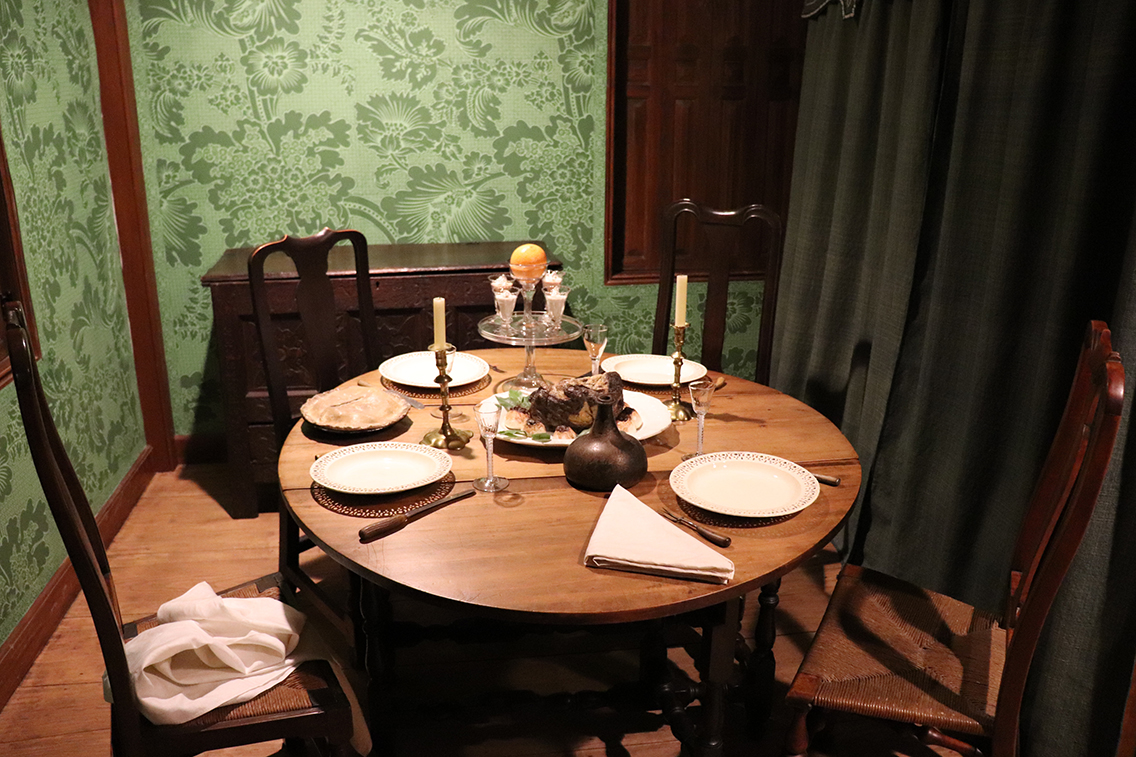
The Virginia Room has always been furnished as a dining room. The furniture consisted of reproductions made out of mahogany. The carved marble state seal over the fireplace is now hung in the hall outside the room.
Current Virginia Period Room
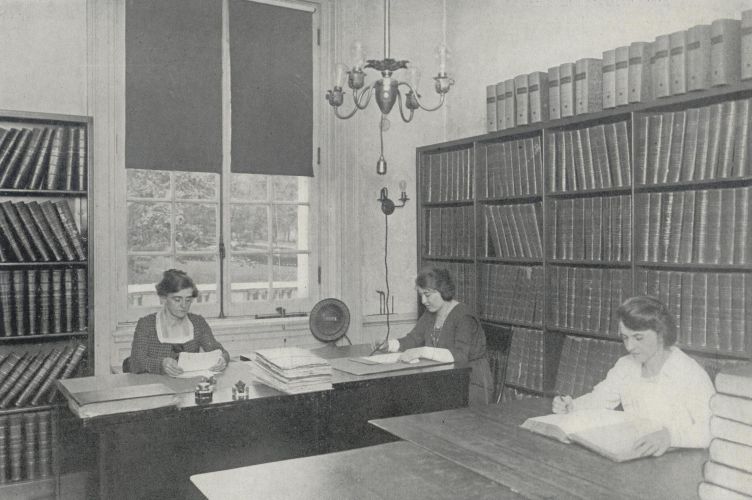
Registrar General Archives Room 1920
Genealogy connecting women to people who contributed to the success of the American Revolution is required for DAR membership. These ladies are reading DAR application papers kept on hand for reference and verification. At that time all bound copies of membership applications were kept in this room.
Current Vermont Period Room
Period Room 1951
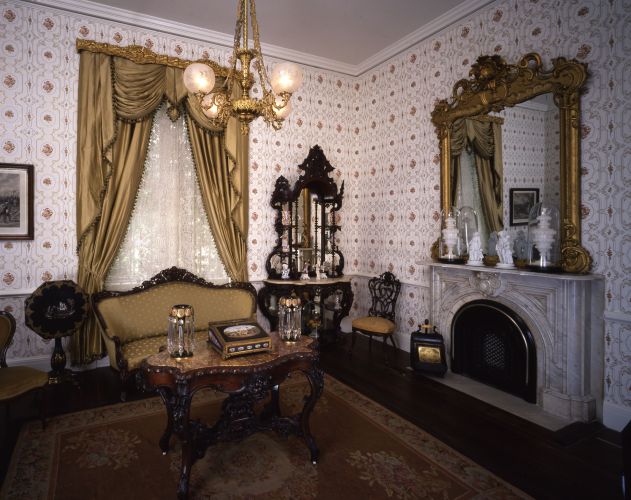
In the 1910s, the building superintendent kept an apartment here. By the 1950s, this room was furnished in the colonial revival style. The double parlor floorplan of the 1950s originally consisted of two rooms, a sitting room and bed room.
Current Wisconsin Period Room
Committee Room 1911
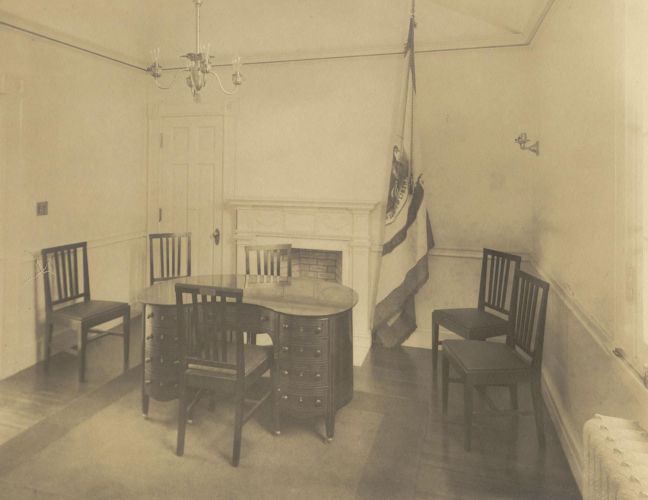
Committee work is an important part of DAR’s success. West Virginia donated the distinctive kidney shaped desk and other mahogany furnishings for this room. Instead of an oriental rug, a fashionable two-tone Wilton carpet covers the floor.
Current West Virginia Period Room
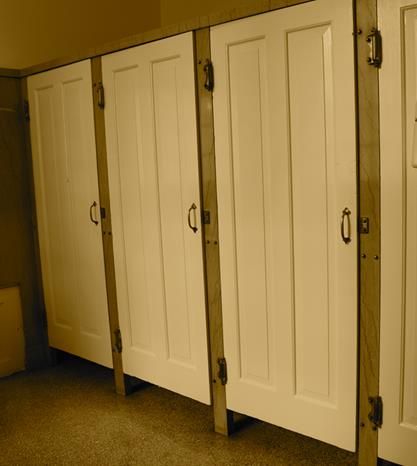
Restroom
This remained a restroom until the period room was installed in 1977. Originally this room looked much like this picture of other restrooms in the building.
Current Georgia Period Room
Explore this Exhibit
Explore More Online Exhibitions
By, For, and Of the People: Folk Art and Americana in...
Selections from this DAR Museum gallery exhibition show the charming and beautiful work of...
The Storytellers
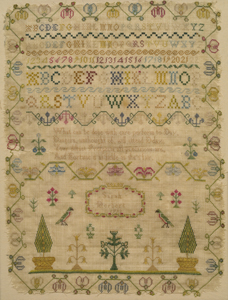
By the late 19th century, collectors recognized the charm of American schoolgirl samplers...
Coming to America
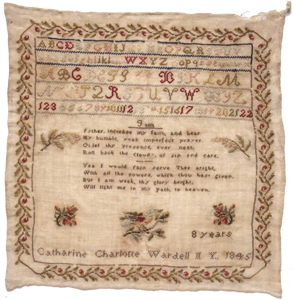
From the earliest days of colonization in North America, sewing traditions arrived with...
In Search of Answers: A New York Survey
A survey of 22 New York samplers in the DAR Museum collection was undertaken in 2003-2004...
Telling Their Story: Going Away
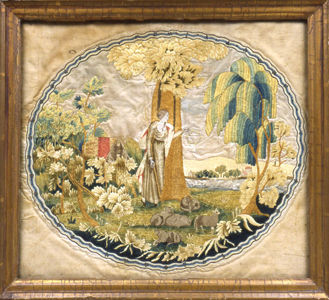
To European visitors, nineteenth-century Americans appeared constantly on the move. They...
Words from the Past
Sampler verses have long fascinated those who study the needlework canvas. Here are a few...

Creating the Ideal Home, 1800-1939: Comfort and...
October 2, 2013 - August 30, 2014 It's human nature to like shortcuts; people are always...

Retro Rooms
The DAR Museum’s period rooms have evolved much over the past century. Many of the period...
Remembering the American Revolution: 1776-1890
How do you create a collective memory? The new nations’ first three generations of...

DAR Museum Period Rooms
Explore the American Home! Each of these 31 period rooms looks like you’re stepping into a...
Songs of Christmas Past
You’ll be humming your favorite Christmas songs as you view a selection of the period...
Rare Historic Documents on Loan at the DAR Museum
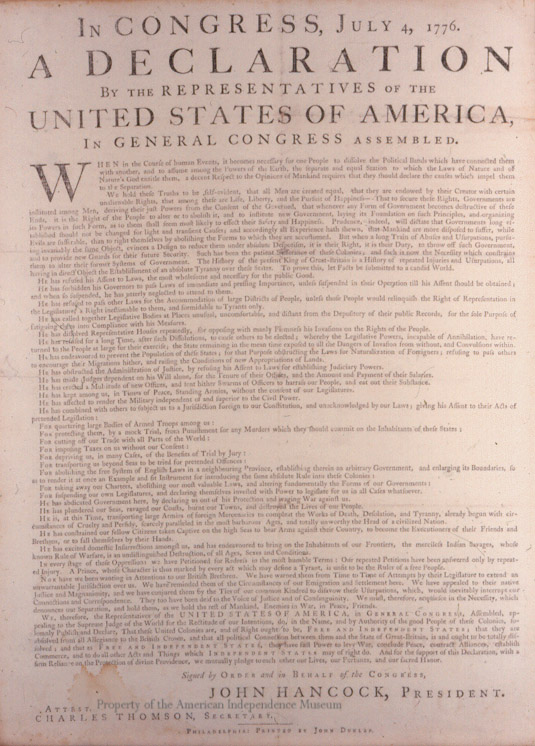
This summer from May 26 – July 9, a Dunlap Broadside, as well as the two draft copies of...